
Osteoarthritis
Osteoarthritis is the most common joint condition worldwide, and its burden is growing as ageing populations and high rates of sedentary work accelerate its prevalence. It occurs when the cartilage cushioning the ends of bones gradually wears down, leaving the underlying bone exposed and inflamed.
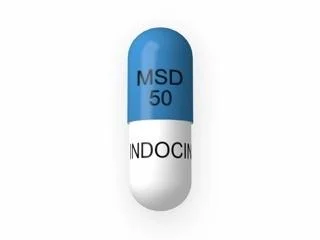
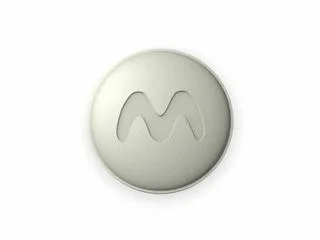
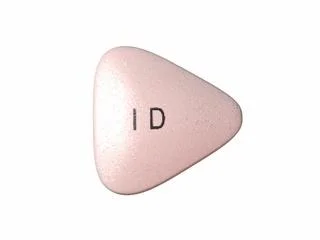
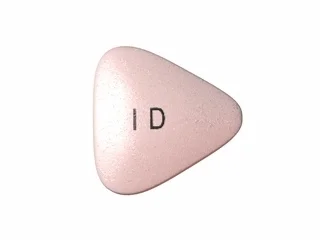
Voveran SR
100mg
Voveran SR is diclofenac 100mg in a prolonged-release tablet for rheumatoid arthritis and osteoarthritis, releasing the NSAID gradually.
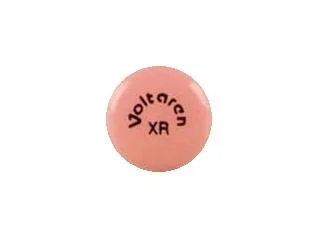
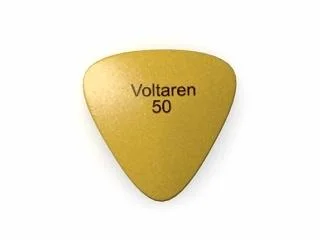
Voltaren SR
100mg
Voltaren SR is diclofenac 100mg in a modified-release tablet for rheumatoid arthritis, osteoarthritis and ankylosing spondylitis.

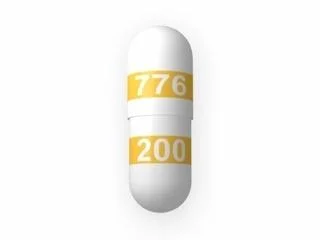
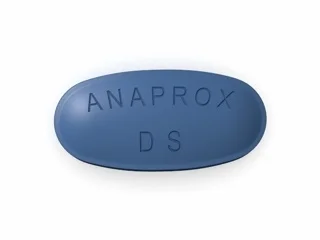
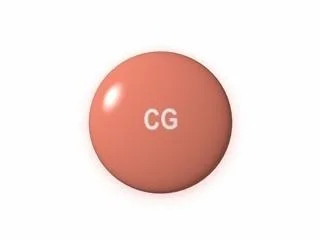
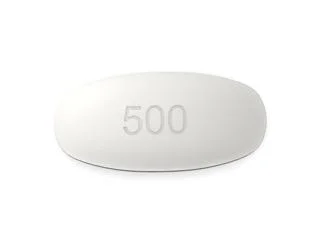
Aceclofenac Tablets
100 · 200mg
Aceclofenac 100mg and 200mg tablets, an NSAID used for rheumatoid arthritis, osteoarthritis and ankylosing spondylitis. Cyclooxygenase is the target.


Key points
- The cushioning cartilage at joint ends thins with time, exposing and irritating the bone underneath.
- Discomfort tends to start mild and worsen with use, and stiffness on waking generally clears within roughly thirty minutes.
- Gentle activities that avoid heavy joint loading, such as swimming or cycling, are regarded as the strongest long-term protective measure.
- Anti-inflammatory painkillers are the medicine class reached for most often once activity and weight control are not enough alone.
How joints are affected
The knees, hips, and hands bear the brunt of most cases, though any joint can be involved. Pain typically builds slowly, a dull ache at first, deepening to sharper discomfort after activity. Morning stiffness usually eases within 30 minutes, which helps distinguish osteoarthritis from inflammatory conditions like rheumatoid arthritis. Swelling, a grating sensation (crepitus), and a reduced range of motion are common as the condition progresses.
Risk rises with age, excess body weight, prior joint injury, and repetitive occupational strain. Women are more commonly affected, especially after the menopause.
Managing pain and slowing the impact
Exercise remains the single most effective long-term intervention: low-impact activities such as swimming, cycling, and tai chi preserve muscle support around the joint without adding load. Weight loss where relevant can meaningfully reduce knee and hip stress.
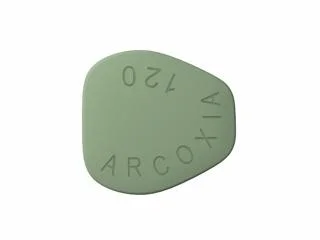
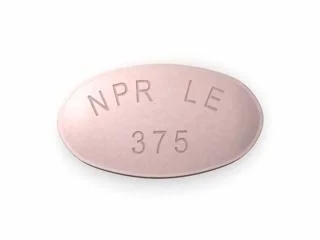
For pain relief, non-steroidal anti-inflammatory drugs (NSAIDs) are the most widely used class. Options in our pain management range include diclofenac, naproxen, meloxicam, and celecoxib, a COX-2 selective agent often chosen when gastrointestinal tolerability is a concern. Piroxicam and indometacin are longer-established alternatives still widely used.
Topical diclofenac gel is an option for localised knee or hand pain, delivering anti-inflammatory effect with less systemic exposure than oral tablets.
If joint pain is severe, rapidly worsening, or accompanied by significant swelling and warmth, a clinical assessment is advisable to rule out other causes and discuss further options.