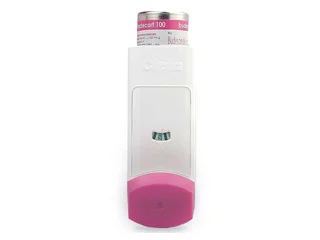
Ventolin Evohaler
100mcg
Ventolin Evohaler is salbutamol 100mcg as a pressurised inhalation solution for asthma and COPD, a fast-acting beta2 agonist.
From$20.40/ inhalerView
Chronic obstructive pulmonary disease (COPD) is a long-term lung condition in which the airways become inflamed and narrowed, making it progressively harder to breathe. It covers two overlapping patterns: emphysema, where the air sacs lose their elasticity, and chronic bronchitis, where the airway lining produces excess mucus. COPD does not reverse, but it can be stabilised and its daily impact significantly reduced.
100mcg
Ventolin Evohaler is salbutamol 100mcg as a pressurised inhalation solution for asthma and COPD, a fast-acting beta2 agonist.
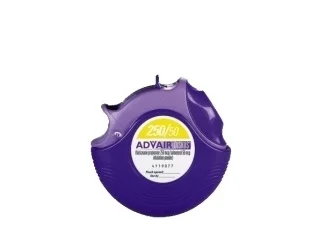
100/50 · 250/50 · 500/50mcg
Salmeterol with fluticasone inhalation powder in three strengths, used in the management of asthma and COPD. A long-acting beta2-agonist with a corticosteroid.
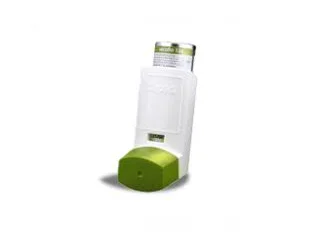
25/125 · 25/250mcg
Seroflo Inhaler carries fluticasone with salmeterol as a pressurised suspension for asthma and COPD, a corticosteroid with a long-acting agonist.
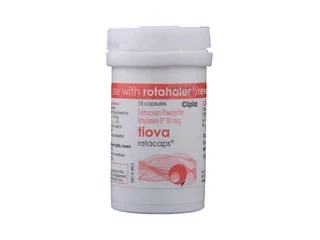
15caps
Tiova Rotacap is tiotropium in hard capsules loaded into a device, for chronic obstructive pulmonary disease. A long-acting M3 antagonist.
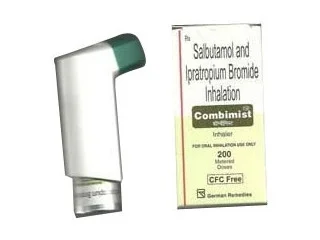
50/20mcg
Combimist L Inhaler pairs levosalbutamol with ipratropium as a pressurised inhalation for COPD and asthma. A beta2-agonist with an antimuscarinic.
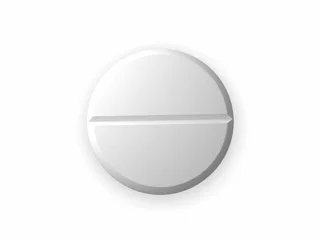
2 · 4mg
Ventolin Pills are salbutamol 2mg and 4mg tablets for asthma and COPD, the swallowed form of the beta2 agonist rather than the inhaled one.
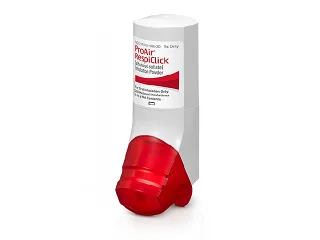
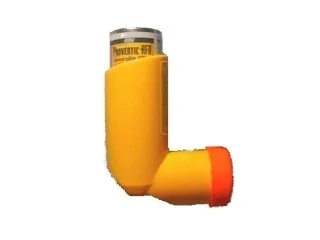
100mcg
Proair Inhaler is salbutamol 100mcg as a pressurised suspension for asthma and COPD, a short-acting beta2 agonist for quick airway opening.
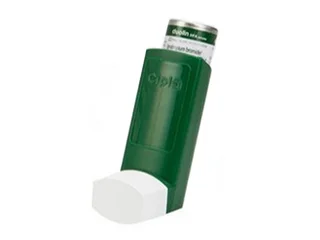
9mcg
Tiova Inhaler is tiotropium 9mcg as an inhalation powder for chronic obstructive pulmonary disease, blocking muscarinic receptors in the airway.
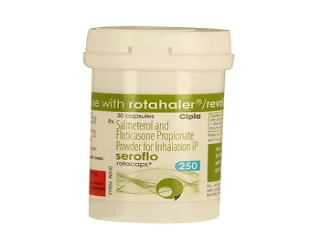
50/250mg
Advair Rotahaler carries fluticasone with salmeterol as an inhalation powder for asthma and COPD, pairing an inhaled corticosteroid with a beta2-agonist.
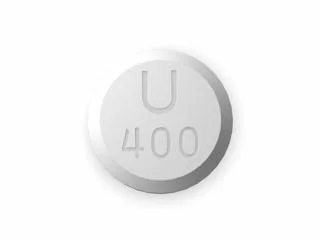
400mg
Theo-24 CR is theophylline 400mg in a modified-release capsule for asthma and COPD, a methylxanthine that relaxes the bronchial muscle.
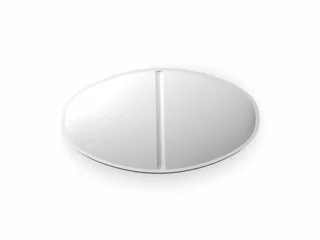
400mg
Uniphyl CR is theophylline 400mg as a modified-release tablet rather than a capsule, for asthma and COPD. It inhibits the phosphodiesterase enzymes.
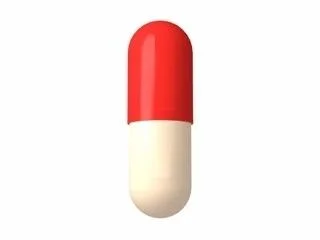
200mg
Theo-24 SR is theophylline at the lower 200mg modified-release strength for asthma and COPD, a xanthine that raises cyclic AMP in the airway.
Tobacco smoking is the dominant cause globally, but prolonged exposure to biomass cooking smoke, from wood, coal, and crop residue burned indoors, is a major independent risk factor, particularly among women in rural areas. Air quality in dense urban centres adds further burden. Occupational dust and fume exposure in manufacturing and construction also contribute.
COPD typically builds slowly over years. A morning cough producing clear or yellowish mucus, gradually worsening breathlessness on exertion, and a sensation of chest tightness are the hallmark features. Wheezing is common. Many people dismiss early symptoms as a “smoker’s cough” or normal ageing, which delays diagnosis by a decade or more. Acute flare-ups, called exacerbations, produce a sudden worsening of breathlessness, increased mucus, and sometimes fever; these need prompt attention as they accelerate lung decline.
Treatment aims to open the airways, reduce inflammation, and prevent exacerbations. Short-acting bronchodilators such as salbutamol relieve breathlessness quickly during a flare. Long-acting bronchodilators like salmeterol and tiotropium provide sustained airway opening throughout the day. Inhaled corticosteroids, budesonide and fluticasone, reduce airway inflammation and are often combined with a long-acting bronchodilator in a single inhaler. Theophylline tablets remain widely used where inhaler access or cost is a barrier. Pulmonary rehabilitation, structured exercise and breathing training, improves function and quality of life beyond what medicines alone can achieve. Stopping smoking at any stage slows progression.
Seek urgent care if breathlessness becomes severe at rest, lips or fingertips turn bluish, or a flare does not improve within a day or two of starting usual treatment. Browse the full respiratory health range for available options.

10 Aug 2026 ⋅ 9 min read
The burning season turns controlled asthma into uncontrolled asthma every year, and most people respond to it with the wrong inhaler. What the smoke does to an airway, why reaching for the blue one more often is a signal rather than a solution, and how to plan for a season you can see coming.
Read guide