
Ipratropium
Ipratropium is a bronchodilator medication used to manage airflow in the lungs. It functions by relaxing the smooth muscles within your airways to improve breathing. For respiratory conditions, one formulation is available, including Combivent.
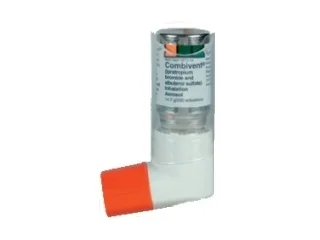
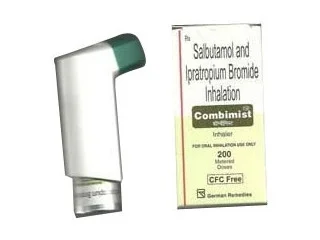
Combimist L Inhaler
Chronic Obstructive Pulmonary Disease, Asthma
50/20mcg
Combimist L Inhaler pairs levosalbutamol with ipratropium as a pressurised inhalation for COPD and asthma. A beta2-agonist with an antimuscarinic.
Key points
- An anticholinergic bronchodilator used long-term for chronic obstructive pulmonary disease to keep airways open and reduce breathing difficulty.
- Blocks nerve receptors that trigger airway muscle contraction, so the muscles relax and airway resistance falls.
- Available as a pressurised inhaler and a nebuliser solution, with the correct device technique key to effective delivery.
What is Ipratropium?
Ipratropium belongs to a class of medications known as anticholinergics. It is designed to act locally on the respiratory tract to open narrowed airways, making it easier to breathe. Unlike medications that act quickly to resolve acute distress, this compound is often utilised for regular maintenance or management of respiratory airflow.
What Ipratropium is used for
This medication is primarily indicated for the management of Chronic Obstructive Pulmonary Disease. It is used to reduce the frequency of breathing difficulties by keeping the airways open for longer periods. Individuals may use this treatment to address chronic cough, chest tightness, and shortness of breath associated with obstructive lung conditions.
How does Ipratropium work?
Ipratropium blocks specific nerve receptors in the lungs that cause the muscles around your airways to contract. When these nerves are blocked, the smooth muscles relax, which widens the airway passages. This widening decreases the resistance to airflow and allows more air to move in and out of the lungs comfortably.
Ipratropium brands and forms
The market for this ingredient includes the original originator product Combivent and various generic equivalents. When managing your Respiratory Health, you may encounter different delivery methods depending on the formulation. This ingredient is commonly available as pressurised inhalation and solution. Choosing the right form depends on the specific device recommended for your treatment plan, as different inhalers require specific inhalation techniques to ensure the medication reaches the lungs effectively.
Safety overview for Ipratropium
What to check before using this medicine
Verify that the device compatibility matches your needs and that you are familiar with the correct inhalation technique. Ensure the product has not exceeded its expiry date and is stored away from direct light and moisture.
Possible reactions and tolerability
Common reactions include a dry mouth or throat irritation. Some individuals may experience temporary redness or mild dizziness upon use. If you notice persistent coughing or increased wheezing, stop use and monitor your symptoms.
Interactions and health factors
Other anticholinergic medications can increase the effect, potentially leading to stronger dry mouth symptoms. Notify a doctor about pre-existing conditions such as glaucoma or prostate issues, as these can be sensitive to this medication class. Product labelling and verified clinical sources remain the correct references for specific contraindications, interactions and reactions.
Further reading
Related articles

10 Aug 2026 ⋅ 9 min read
Asthma and COPD in the Haze Season: Why Your Reliever Runs Out in March
The burning season turns controlled asthma into uncontrolled asthma every year, and most people respond to it with the wrong inhaler. What the smoke does to an airway, why reaching for the blue one more often is a signal rather than a solution, and how to plan for a season you can see coming.
Read guide