
Formoterol
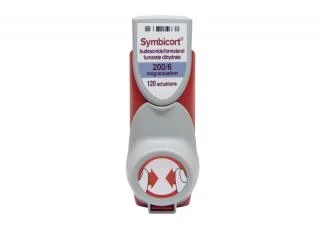
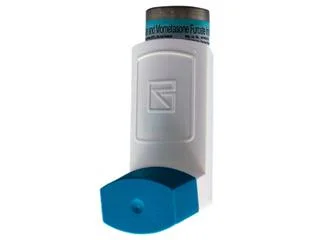
Formoterol is a long-acting bronchodilator used to manage breathing difficulties associated with asthma and other chronic respiratory conditions. Available as an inhalation powder, formulations like Symbicort and Dulera deliver relief by relaxing airway muscles. Two products provide options for maintenance therapy rather than acute rescue use.
Key points
- Classed as a long-acting beta-agonist, meant for daily maintenance rather than for relieving a sudden asthma attack.
- Stimulates beta-2 receptors in the lungs, relaxing the smooth muscle around the bronchial tubes to widen the airways.
- Existing heart conditions, high blood pressure or thyroid imbalance should be flagged beforehand, since rare heart rhythm changes can occur.
What is Formoterol?
Formoterol is a pharmaceutical compound classified as a long-acting beta-agonist (LABA). It serves as a maintenance treatment rather than an immediate rescue inhaler. By relaxing the muscles around the airways, it keeps them open for an extended period, which reduces wheezing and breathlessness.
What Formoterol is used for
This medicine is used for the long-term management of Asthma and Chronic Obstructive Pulmonary Disease. Patients often rely on it as part of a combination therapy to maintain consistent Respiratory Health throughout the day and night.
How does Formoterol work?
Formoterol acts directly on beta-2 receptors in the lungs. When these receptors are stimulated, they cause the smooth muscles of the bronchial tubes to relax. This widening of the airways lowers resistance to airflow, making each breath feel less strenuous.
Formoterol brands and forms
Brands such as Fostair and Symbicort offer specific combinations of Formoterol with corticosteroids in inhalation powder form. This combination approach aims to both relax the airways and address underlying inflammation. Choosing the right formulation depends on your clinical management plan, as distinct brands may employ specific inhalation device mechanics.
Safety overview for Formoterol
What to check before using this medicine
Ensure the inhalation device is suitable for your specific requirement and confirm proper technique with your healthcare provider. Using a long-acting bronchodilator for acute attacks is not appropriate.
Possible reactions and tolerability
Some individuals may experience throat irritation, headaches, or palpitations. Heart rhythm changes occur rarely but warrant attention. Monitor your response when starting the medication, as every individual reacts uniquely to respiratory compounds.
Interactions and health factors
Inform your doctor about any existing cardiac conditions, high blood pressure, or thyroid imbalances before initiating treatment. These factors can alter how the body processes the ingredients. Product labelling and verified clinical sources remain the correct references for specific contraindications, interactions and reactions.
Further reading
Related articles

10 Aug 2026 ⋅ 9 min read
Asthma and COPD in the Haze Season: Why Your Reliever Runs Out in March
The burning season turns controlled asthma into uncontrolled asthma every year, and most people respond to it with the wrong inhaler. What the smoke does to an airway, why reaching for the blue one more often is a signal rather than a solution, and how to plan for a season you can see coming.
Read guide