
Asthma
Asthma is a long-term condition where the airways become inflamed and narrow, making breathing harder. It usually shows up as wheezing, a tight chest, breathlessness and a cough that often gets worse at night or with exercise. Symptoms come and go, and a sudden worsening is called a flare-up or attack. With the right routine, most people keep asthma well controlled and stay active.


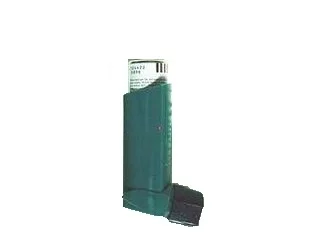
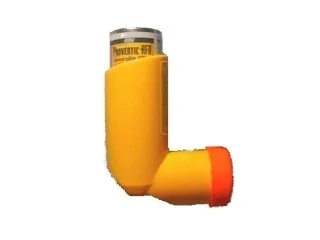
Ventolin Evohaler
100mcg
Ventolin Evohaler is salbutamol 100mcg as a pressurised inhalation solution for asthma and COPD, a fast-acting beta2 agonist.
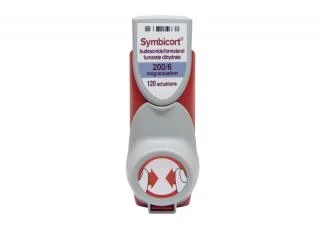

Advair Diskus
100/50 · 250/50 · 500/50mcg
Salmeterol with fluticasone inhalation powder in three strengths, used in the management of asthma and COPD. A long-acting beta2-agonist with a corticosteroid.

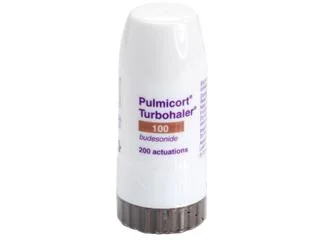
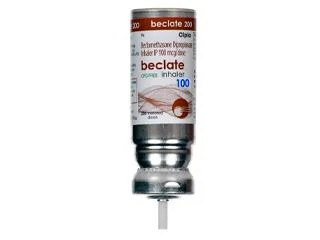
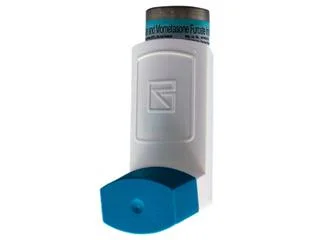
Beclate Inhaler
200mcg
Beclate Inhaler carries beclometasone 200mcg as a pressurised suspension for asthma. An inhaled corticosteroid that damps airway hypersensitivity.
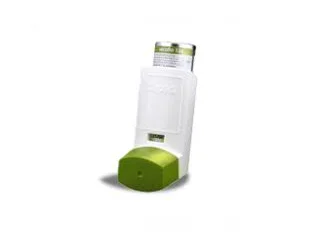
Seroflo Inhaler
25/125 · 25/250mcg
Seroflo Inhaler carries fluticasone with salmeterol as a pressurised suspension for asthma and COPD, a corticosteroid with a long-acting agonist.
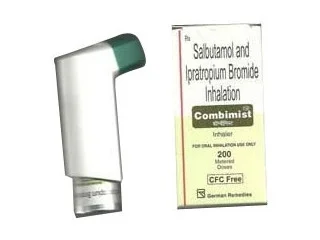
Combimist L Inhaler
50/20mcg
Combimist L Inhaler pairs levosalbutamol with ipratropium as a pressurised inhalation for COPD and asthma. A beta2-agonist with an antimuscarinic.

Ventolin Pills
2 · 4mg
Ventolin Pills are salbutamol 2mg and 4mg tablets for asthma and COPD, the swallowed form of the beta2 agonist rather than the inhaled one.

Proair Inhaler
100mcg
Proair Inhaler is salbutamol 100mcg as a pressurised suspension for asthma and COPD, a short-acting beta2 agonist for quick airway opening.
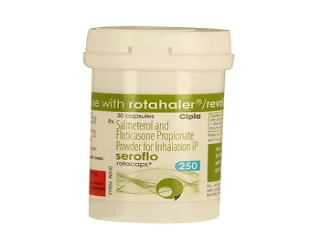
Advair Rotahaler
50/250mg
Advair Rotahaler carries fluticasone with salmeterol as an inhalation powder for asthma and COPD, pairing an inhaled corticosteroid with a beta2-agonist.
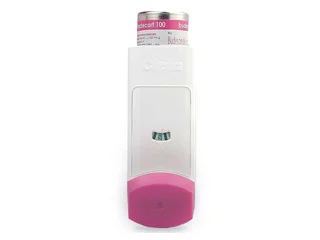
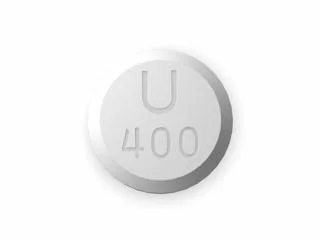
Theo-24 CR
400mg
Theo-24 CR is theophylline 400mg in a modified-release capsule for asthma and COPD, a methylxanthine that relaxes the bronchial muscle.
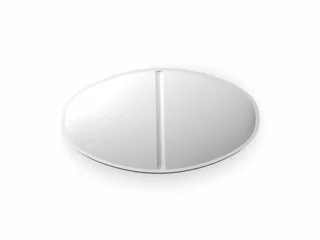
Uniphyl CR
400mg
Uniphyl CR is theophylline 400mg as a modified-release tablet rather than a capsule, for asthma and COPD. It inhibits the phosphodiesterase enzymes.

Theo-24 SR
200mg
Theo-24 SR is theophylline at the lower 200mg modified-release strength for asthma and COPD, a xanthine that raises cyclic AMP in the airway.

Key points
- Common triggers span dust mites, pollen, pet fur, cold air and chest infections, and differ widely between people.
- Treatment typically pairs a fast-acting reliever inhaler with a daily preventer that lowers the underlying airway inflammation over time.
- Needing the reliever inhaler several times a week, or waking at night with symptoms, signals that control needs reviewing.
- Trouble speaking in full sentences or blue-tinged lips during an attack are emergency warning signs.
What triggers asthma
Triggers vary from person to person. Common ones include dust mites, pollen, pet dander, cold air, chest infections, smoke and exercise. Two factors stand out: high outdoor air pollution in cities, and seasonal haze from wildfires or agricultural burning. Humid indoor conditions also favour dust mites and mould, both frequent culprits. Knowing your own triggers and reducing exposure where you can makes day-to-day control easier.
How asthma is treated
Treatment usually pairs two kinds of inhaler. A reliever such as salbutamol opens tight airways quickly during symptoms. A preventer, taken every day, lowers the underlying inflammation so flare-ups happen less often; these are inhaled steroids like budesonide, fluticasone and beclometasone. For asthma that needs more, a long-acting opener such as salmeterol is often combined with a preventer, and theophylline is used as an add-on in some cases. You can see the full range on our respiratory health pages.
When to seek help
See a doctor if you need your reliever more than a few times a week, if symptoms wake you at night, or if your usual inhaler is not easing an attack. Struggling to speak in full sentences, blue lips or a reliever that brings no relief are emergency signs and need urgent care.
Further reading
Related articles

10 Aug 2026 ⋅ 9 min read
Asthma and COPD in the Haze Season: Why Your Reliever Runs Out in March
The burning season turns controlled asthma into uncontrolled asthma every year, and most people respond to it with the wrong inhaler. What the smoke does to an airway, why reaching for the blue one more often is a signal rather than a solution, and how to plan for a season you can see coming.
Read guide