

Theo-24 CR
Asthma, Chronic Obstructive Pulmonary Disease
400mg
Theo-24 CR is theophylline 400mg in a modified-release capsule for asthma and COPD, a methylxanthine that relaxes the bronchial muscle.
From$0.60/ tabletView
Theophylline (Nuelin SA) is a bronchodilator used to manage breathing difficulties associated with asthma and chronic obstructive pulmonary disease. Use of this medication relaxes the muscles around the airways to improve airflow. Three generic options are available, such as Theo-24 and Uniphyl, for specific respiratory needs.
Asthma, Chronic Obstructive Pulmonary Disease
400mg
Theo-24 CR is theophylline 400mg in a modified-release capsule for asthma and COPD, a methylxanthine that relaxes the bronchial muscle.
Asthma, Chronic Obstructive Pulmonary Disease
400mg
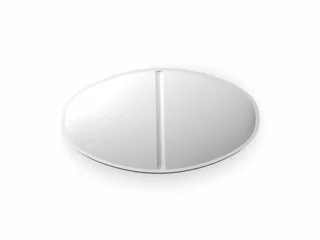
Uniphyl CR is theophylline 400mg as a modified-release tablet rather than a capsule, for asthma and COPD. It inhibits the phosphodiesterase enzymes.

Asthma, Chronic Obstructive Pulmonary Disease
200mg
Theo-24 SR is theophylline at the lower 200mg modified-release strength for asthma and COPD, a xanthine that raises cyclic AMP in the airway.
Theophylline is a xanthine derivative that acts as a bronchodilator. Managing respiratory conditions where airways become narrowed or obstructed serves as its primary purpose. Relaxation of the bronchial smooth muscles and a reduction in inflammation allows air to pass more freely into the lungs.
Patients use this medication for long-term control of Asthma and the management of Chronic Obstructive Pulmonary Disease. Sustained airway support rather than immediate relief during a sudden attack remains the primary intention. Individuals often rely on it to reduce the frequency and severity of respiratory symptoms.
Theophylline stops the action of phosphodiesterase, an enzyme in the body, which leads to increased relaxation in the smooth muscles wrapping the bronchial tubes. This process widens the airways, making it easier for oxygen to reach the lungs and for carbon dioxide to be exhaled.
Options available in our Respiratory Health catalogue focus on ensuring consistent medication release into the system. Brands like Nuelin SA and Slo-phyllin appear frequently for their reliable formulations. Variations include the following forms: modified-release capsule, hard, and modified-release tablet. These engineered forms release the drug gradually, providing sustained relief throughout the day rather than a sudden spike in blood concentration.
Review your complete health history, specifically thyroid disorders, heart conditions, liver impairment, or seizure disorders. Caffeine consumption and smoking habits may change how the body processes this medication, requiring adjustments to monitor levels correctly.
Common responses may include nausea, headache, difficulty sleeping, or a rapid heartbeat. Report any signs of persistent gastric irritation or significant changes in heart rhythm, as higher concentrations of the medication in the blood can be problematic.
Other medications, including certain antibiotics and anti-seizure drugs, may interfere with the metabolism of theophylline. Product labelling and verified clinical sources remain the correct references for specific contraindications, interactions and reactions.

10 Aug 2026 ⋅ 9 min read
The burning season turns controlled asthma into uncontrolled asthma every year, and most people respond to it with the wrong inhaler. What the smoke does to an airway, why reaching for the blue one more often is a signal rather than a solution, and how to plan for a season you can see coming.
Read guide