
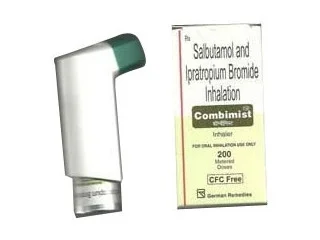
Combimist L Inhaler
Chronic Obstructive Pulmonary Disease, Asthma
50/20mcg
Combimist L Inhaler pairs levosalbutamol with ipratropium as a pressurised inhalation for COPD and asthma. A beta2-agonist with an antimuscarinic.
From$22.95/ inhalerView
Levosalbutamol acts as a bronchodilator used to facilitate easier breathing for individuals managing obstructive airway conditions. Known for targeted action in the lungs, it functions by relaxing the muscles around the airways. The Combimist L Inhaler is available for effective respiratory care.
Chronic Obstructive Pulmonary Disease, Asthma
50/20mcg
Combimist L Inhaler pairs levosalbutamol with ipratropium as a pressurised inhalation for COPD and asthma. A beta2-agonist with an antimuscarinic.
Levosalbutamol is the active R-isomer of salbutamol, a class of medication known as a short-acting beta-2 agonist. It functions as a bronchodilator that targets the smooth muscles in the airways. By isolating this specific isomer, the medication provides bronchodilatory effects while potentially reducing certain side effects often associated with the racemic mixture found in older medications.
This medication addresses airway constriction linked to a range of chronic conditions. It is primarily used to manage symptoms in patients diagnosed with Chronic Obstructive Pulmonary Disease and Asthma. By opening the bronchial passages, it allows for more efficient airflow, which supports overall respiratory function.
The medication works by binding to beta-2 adrenergic receptors located on the bronchial smooth muscle cell surfaces. This binding action triggers the relaxation of these muscles, which have tightened due to an underlying condition. As these muscles relax, the airways widen, allowing air to move more freely into the lungs. This mechanism provides rapid relief from symptoms like wheezing, chest tightness, and shortness of breath.
The brand and range of forms for this ingredient often includes the originator labels and reliable generic formulations. Patients generally select between options based on their specific administration requirements within the scope of Respiratory Health. Available forms commonly include pressurised inhalation and solution, designed for delivery through standard aerosol devices. These formulations ensure the active ingredient reaches the lungs directly for consistent management.
Before use, you must confirm that the active ingredient is suitable for your specific respiratory profile. Inform your provider if you have pre-existing cardiovascular conditions, as bronchodilators may affect heart rate. Ensure the inhaler device is compatible with your current treatment plan and that you understand the proper technique for use.
Common reactions include a slight tremor, heart palpitations, or a dry throat. These sensations are often temporary as the body adjusts to the medication. If you experience persistent chest pain, severe dizziness, or paradoxical bronchospasm, you must stop use and seek appropriate clinical attention.
Other medications, including beta-blockers or certain diuretics, may interact with this bronchodilator. Managing your respiratory status requires a full view of your current health regimen, as existing conditions or concurrent drug use can alter how the medicine functions in your system. Product labelling and verified clinical sources remain the correct references for specific contraindications, interactions and reactions.