Ventolin Evohaler
Asthma, Chronic Obstructive Pulmonary Disease
100mcg
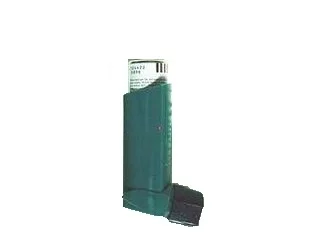
Ventolin Evohaler is salbutamol 100mcg as a pressurised inhalation solution for asthma and COPD, a fast-acting beta2 agonist.
From$20.40/ inhalerView
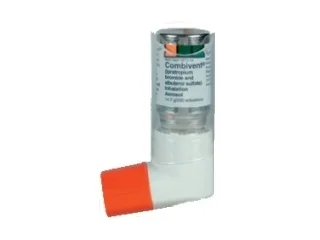
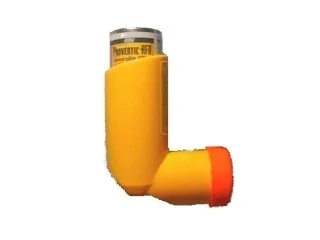
Salbutamol (Ventolin) is a widely used bronchodilator intended to assist in the management of specific respiratory conditions like Asthma. It serves to relax the muscles surrounding the airways, facilitating improved airflow. Five formulations are listed, including Ventolin Evohaler, Proventil, and Combivent, catering to various delivery needs for patients.
Asthma, Chronic Obstructive Pulmonary Disease
100mcg
Ventolin Evohaler is salbutamol 100mcg as a pressurised inhalation solution for asthma and COPD, a fast-acting beta2 agonist.
Asthma, Chronic Obstructive Pulmonary Disease
2 · 4mg
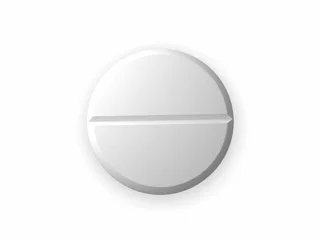
Ventolin Pills are salbutamol 2mg and 4mg tablets for asthma and COPD, the swallowed form of the beta2 agonist rather than the inhaled one.
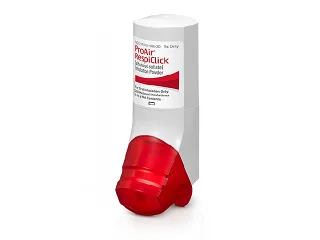
Asthma, Chronic Obstructive Pulmonary Disease
100mcg
Proair Inhaler is salbutamol 100mcg as a pressurised suspension for asthma and COPD, a short-acting beta2 agonist for quick airway opening.
Salbutamol belongs to a class of medications called beta-2 agonists. It acts quickly to widen the bronchial passages within the lungs. Many people rely on this therapeutic option to address sudden breathing difficulties or to prevent symptoms triggered by exercise or environmental factors. Because individual requirements vary, different formulations allow for targeted delivery directly to the bronchial system or systemic absorption via tablets.
This medication is used for the treatment and management of Asthma and similar reversible airway diseases such as Chronic Obstructive Pulmonary Disease. It is also utilised to manage bronchospasms associated with specific athletic or environmental triggers. By alleviating the tightening of muscles in the airways, it supports better lung function and normal breathing patterns. This active compound is a core component for Respiratory Health.
Salbutamol targets beta-2 adrenergic receptors located in the smooth muscle tissues of the bronchial walls. Upon activation, these receptors cause the muscles to relax, which expands the airways and increases airflow into the lungs. This process occurs rapidly when the medication is delivered via inhalation, providing relief from discomfort and breathlessness associated with obstructive lung conditions.
Various brands including Salamol, Asthalin, and Proventil offer different delivery methods, such as pressurised inhalation solution, pressurised inhalation suspension, and tablet options. Selecting a specific form depends on individual preference and clinical recommendations regarding how the medication should reach the lungs. While inhalers are most common for quick-acting relief, tablets may be selected for different clinical needs. The availability of multiple generic formulations ensures that patients have choices when managing their respiratory wellness.
Review any known sensitivity to salbutamol or related bronchodilators before use. Inform a healthcare provider if you have existing heart conditions, high blood pressure, or thyroid level imbalances.
Some individuals may experience trembling, increased heart rate, or headaches shortly after administration. These effects are usually transient and fade as the body adjusts to the medication.
Certain blood pressure medications and beta-blockers can interfere with how this medicine functions. Product labelling and verified clinical sources remain the correct references for specific contraindications, interactions and reactions.

23 Sept 2026 ⋅ 9 min read
Store below 30°C is a line written for a European cupboard, read in a kitchen that has not been below 30°C since March. What actually degrades, why the bathroom cabinet is the worst habit in the tropics, and what forty minutes on a motorbike does to a delivery.
Read guide
10 Aug 2026 ⋅ 9 min read
The burning season turns controlled asthma into uncontrolled asthma every year, and most people respond to it with the wrong inhaler. What the smoke does to an airway, why reaching for the blue one more often is a signal rather than a solution, and how to plan for a season you can see coming.
Read guide
5 Jul 2026 ⋅ 10 min read
The brand on your medicine changes from country to country, but the active ingredient never does. A decoder that turns familiar brand names into the universal active ingredient, so you can find your medicine anywhere.
Read guide