
Psoriasis
Psoriasis is a long-term skin condition where the immune system speeds up the life cycle of skin cells. Instead of shedding gradually, cells pile up into raised patches called plaques: thick, red or silvery, often itchy or sore. It commonly appears on the elbows, knees, scalp and lower back, and it tends to come and go in flares rather than staying constant.
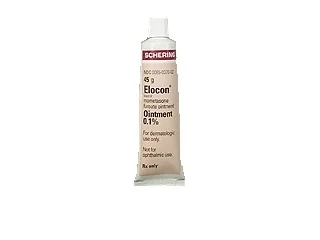
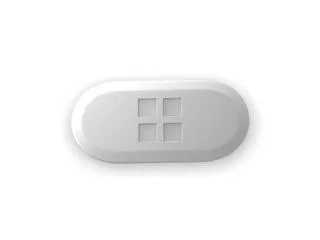
Aristocort
4mg
Triamcinolone 4mg tablets, used for inflammatory skin conditions, eczema and psoriasis. A synthetic corticosteroid taken by mouth rather than applied.
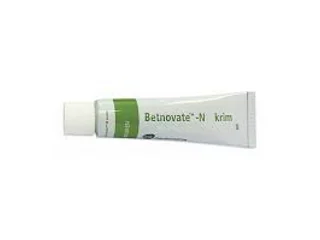
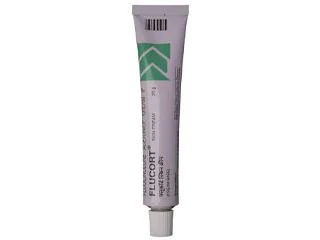


Methotrexate Tablets
2.5mg
Methotrexate 2.5mg tablets, used in the management of rheumatoid arthritis, psoriasis and Crohn's disease. A folic acid antagonist blocking dihydrofolate reductase.
Key points
- An overactive immune response speeds the turnover of skin cells so much that they accumulate into thick, scaly raised areas rather than shedding normally.
- Stress, a skin injury, certain infections, smoking or excessive drinking can each set off a flare.
- For milder, more limited plaques, corticosteroid creams paired with frequent moisturiser use are usually the first line of care.
- Where the condition covers larger areas or involves the joints, drugs acting on the immune system itself come into play.
What drives psoriasis
Psoriasis is immune-mediated, not contagious. Genetics load the dice, and a flare is usually set off by a trigger: stress, skin injury, infection (a sore throat can spark guttate psoriasis), certain medicines, smoking or heavy alcohol. Cold, dry air often worsens plaques, while sunlight tends to calm them. In humid climates, sweat and friction can irritate plaques in skin folds, so flares sometimes track the seasons differently than they do in cooler climates.
How psoriasis is treated
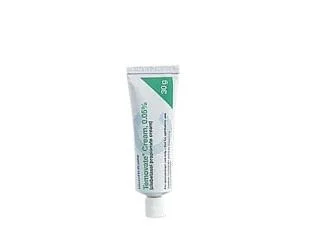
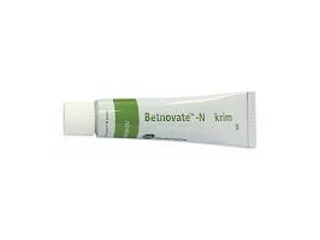
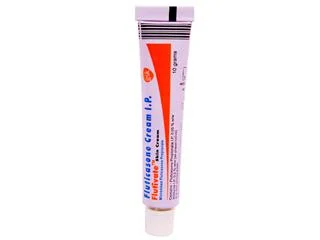
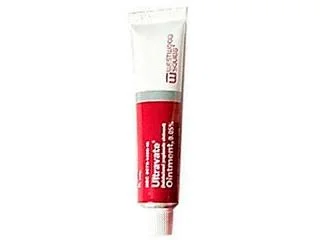
Treatment is matched to how widespread and severe the condition is. Mild to moderate plaques usually respond to topical skin care options, including steroid creams and ointments such as betamethasone, mometasone, clobetasol and triamcinolone, often paired with regular moisturising to soften scale. When psoriasis is extensive or also affects the joints, systemic autoimmune support medicines like methotrexate and ciclosporin work on the immune response itself. Light therapy is another route a specialist may suggest.
Living with psoriasis
Day-to-day care makes a real difference: moisturise often, avoid scratching, keep showers lukewarm, and notice your own triggers. See a doctor if plaques spread fast, become painful or infected, or if you develop stiff, swollen joints, which can signal psoriatic arthritis and is worth treating early.
Further reading
Related articles

23 Sept 2026 ⋅ 7 min read
Immunosuppressed in the Tropics: What Changes When the Fever Is Dengue
Medicines that turn the immune system down are the reason many people are well. They also change what an ordinary fever means, and dengue season is not an ordinary background. Why waiting it out is the one piece of standard advice that does not apply to you.
Read guide