
Fluocinolone Acetonide
Fluocinolone Acetonide acts as a topical corticosteroid, frequently identified by the brand Synalar. It manages skin inflammation, redness, and swelling. The cream formulation is listed.
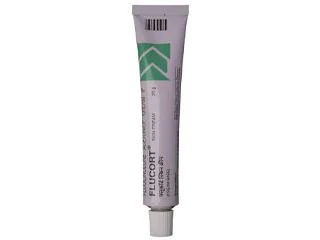
Key points
- Used for inflammatory skin conditions such as eczema and psoriasis, easing the itching and irritation they cause.
- Works by narrowing local blood vessels and reducing inflammatory chemicals at the site of application.
- Covering the treated skin with a dressing or bandage can increase how much of the drug enters the bloodstream.
What is Fluocinolone Acetonide?
This medication is defined as a corticosteroid applied topically to target inflammatory skin responses. Through its action on the immune response in the skin, it manages flare-ups and provides comfort. Various brand and generic versions exist to provide the same active compound in a stable application format.
What Fluocinolone Acetonide is used for
It is primarily applied to manage symptomatic skin conditions that present with inflammation and itching. It is commonly used for Eczema and Psoriasis, reducing the itching and irritation that these conditions cause.
How does Fluocinolone Acetonide work?
It works by suppressing the body’s inflammatory response at the site of application. By constricting local blood vessels and reducing inflammatory chemicals in the surface skin cells, it lowers redness and swelling.
Fluocinolone Acetonide brands and forms
The cream is the primary formulation for this ingredient. As part of wider Skin Care options, it allows for targeted application to specific affected surfaces. Synalar is the primary brand represented here.
Safety overview for Fluocinolone Acetonide
What to check before using this medicine
Prior to application, review the specific product label to confirm it is suitable for the affected area. Avoid contact with eyes, mouth, or mucous membranes unless specifically instructed. Ensure the skin is clean before applying a thin layer of the cream.
Possible reactions and tolerability
Topical use may occasionally cause mild burning, stinging, or redness at the site of application. Thinning of the skin or changes in skin pigmentation may occur with prolonged use. Discontinue use and monitor the area if irritation persists beyond initial application.
Interactions and health factors
Inform your provider if you are currently using other topical preparations, as concurrent use may alter absorption or efficacy. Avoid applying dressings or bandages over the treated area unless directed, as this may increase the amount of medication absorbed into the bloodstream. Product labelling and verified clinical sources remain the correct references for specific contraindications, interactions and reactions.