Aristocort
4mg
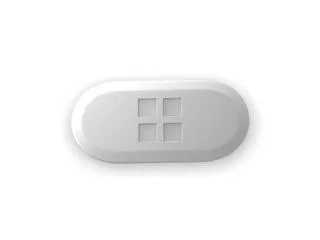
Triamcinolone 4mg tablets, used for inflammatory skin conditions, eczema and psoriasis. A synthetic corticosteroid taken by mouth rather than applied.
From$0.77/ tabletView
Eczema (atopic dermatitis) is a chronic inflammatory skin condition marked by intense itch, dryness, and red or darkened patches that can flare repeatedly over months or years. It affects people of all ages, and humidity, heat, and air pollution can worsen flares in tropical and subtropical climates.
4mg
Triamcinolone 4mg tablets, used for inflammatory skin conditions, eczema and psoriasis. A synthetic corticosteroid taken by mouth rather than applied.
2/0.12%
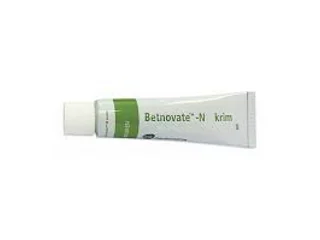
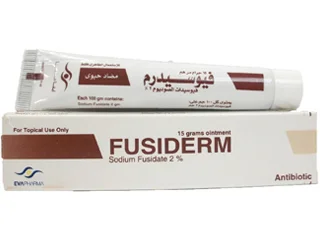
Fusiderm B is betamethasone with fusidic acid as a cream for eczema and dermatitis, a potent steroid alongside an antibacterial agent.
2/0.12%
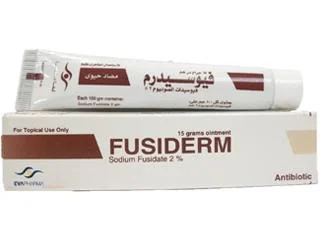
Betamethasone with fusidic acid as a 2/0.12% cream for eczema and infected dermatitis. A potent corticosteroid alongside an antibacterial.
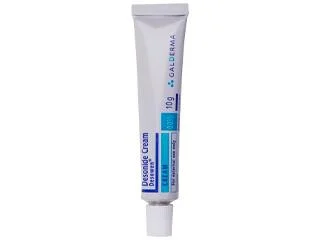
10g
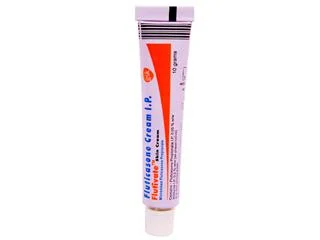
Desonide cream in a 10g tube, applied for atopic dermatitis and eczema. A low-potency topical corticosteroid, anti-inflammatory and anti-pruritic.
The hallmark is persistent itch, often worse at night. Affected skin may look red on lighter complexions or grey-brown on darker ones, and it tends to crack, weep, or crust during active flares. Common sites are the folds of the elbows and knees, the neck, wrists, and ankles. In infants, the cheeks and scalp are often involved. Triggers vary by person but frequently include sweat, certain fabrics, soap, dust mites, and sudden changes in temperature or humidity.
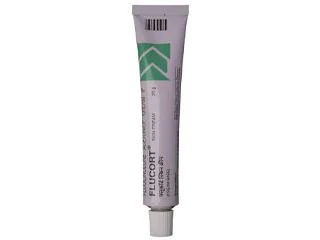
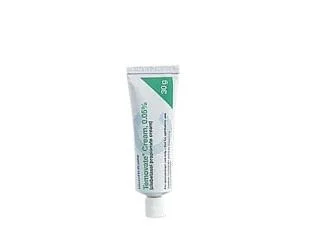
Moisturising the skin barrier frequently is the cornerstone of ongoing management. During flares, topical corticosteroids reduce inflammation and itch. Milder steroids such as desonide and fluocinolone acetonide suit sensitive or facial skin, while moderately potent options like triamcinolone address thicker plaques on the body. Stronger agents including betamethasone and clobetasol are reserved for short courses on stubborn, lichenified areas. When a secondary bacterial infection develops alongside the rash, a combination product containing fusidic acid can address both. Browse the full range in our skin care category.
See a doctor if the rash becomes weepy, crusted, or spreading rapidly, if sleep is consistently disrupted, or if the skin shows signs of infection such as increasing redness, warmth, or pus. Children who fail to improve with standard care, or adults whose eczema covers large body areas, benefit from a structured review to rule out contact allergy or other diagnoses.