
Betamethasone
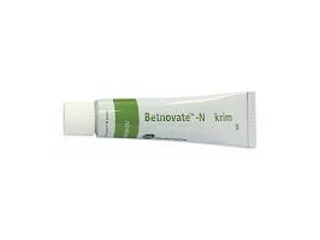
Betamethasone is a potent corticosteroid used to calm inflammation, redness and itching in common skin conditions. You may encounter it alone or combined with an antibiotic or antifungal, as in brands such as Diprolene, Betnovate, Fusiderm B and several other formulations listed below. Creams suit surface-level rashes on dry or broken skin and will be matched to your specific diagnosis during consultation with a provider.
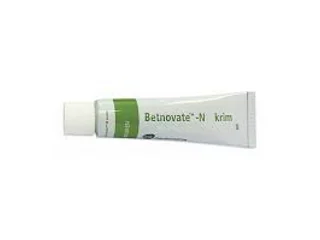
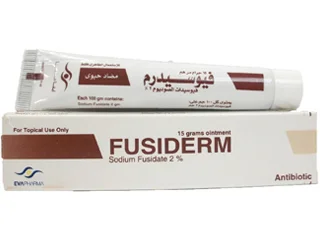
Fusiderm B
Eczema, Dermatitis
2/0.12%
Fusiderm B is betamethasone with fusidic acid as a cream for eczema and dermatitis, a potent steroid alongside an antibacterial agent.
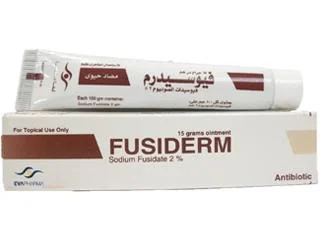
Betamethasone and Fusidic Acid Cream
Eczema, Infected Dermatitis
2/0.12%
Betamethasone with fusidic acid as a 2/0.12% cream for eczema and infected dermatitis. A potent corticosteroid alongside an antibacterial.
Key points
- Combination products pair it with fusidic acid to tackle a bacterial infection or with clotrimazole to cover a fungal one alongside the inflammation.
- By suppressing inflammatory chemical messengers called prostaglandins, it can visibly reduce redness and thickness of a rash within a matter of days.
- Absorption into the rest of the body can increase when it is used over large areas, under a dressing, or on broken skin.
What is betamethasone?
Betamethasone is a synthetic corticosteroid that works by damping down your immune response in the skin. It targets the cells and chemical signals responsible for swelling, heat, redness and persistent itching in inflammatory skin conditions. It does not cure the underlying cause, it manages the visible reaction while other treatments address triggers.
You will see it sold both on its own and as a combined product. Combinations typically pair betamethasone with fusidic acid (an antibiotic for secondary bacterial infection) or with clotrimazole (an antifungal for fungal skin infections). This means the same base steroid treats inflammation while a partner ingredient covers infection that may have developed on irritated skin. The range of formulations, plain steroid versus cream with antibiotic, cream with antifungal, exists because skin conditions rarely present in identical ways.
What betamethasone is used for
Betamethasone cream is most often used for conditions driven by inflammation and an overactive local immune response. You will find it prescribed for Eczema, Dermatitis and Psoriasis, the group of conditions where skin becomes chronically red, scaly or blistered. In these cases, the steroid calms the flare.
Where skin has broken, a secondary infection may set in. Products combining betamethasone with fusidic acid address Infected Dermatitis, while products combining it with clotrimazole address Fungal Skin Infection alongside inflammation. The combination choice depends on what a clinician identifies, so these are not interchangeable on your own judgment alone.
How does betamethasone work?
Betamethasone binds to glucocorticoid receptors inside your skin cells. Once attached, it suppresses the production of prostaglandins and other inflammatory messengers. For you, this means less itching, less redness and a thinner, less raised rash within days of consistent application.
The effect is local, the medicine stays mostly where you apply it. Systemic absorption can increase if you apply large amounts over wide areas, under occlusion or on broken skin, which is why duration and coverage area matter. Your prescriber should give you specific guidance for your situation.
Betamethasone brands and forms
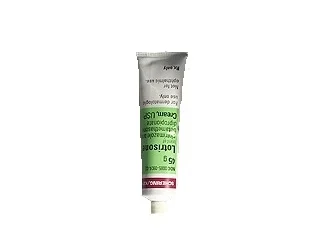
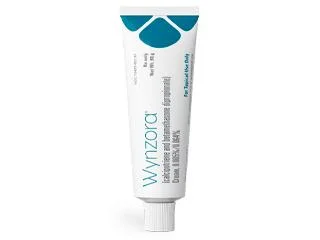
Betamethasone cream is the predominant form here. Within Skin Care treatments, you will encounter the steroid alone (as in Diprosone or Celestoderm, and house-brand betamethasone cream) and in combination products. Fusiderm B and Fucibet combine betamethasone with fusidic acid for skin where bacterial infection is present. Lotrisone combines betamethasone with clotrimazole for areas affected by fungal skin infection alongside inflammation. Wynzora is a newer formulation containing betamethasone ascorbate, designed for a more elegant texture while delivering the same anti-inflammatory effect.
Your choice between a plain steroid and a combination cream depends entirely on whether infection is clinically present. Using an antibiotic or antifungal when it is not needed can promote resistance or irritation. This assessment is best made during a consultation rather than by self-diagnosis.
Safety overview for betamethasone
What to check before using this medicine
Betamethasone is not suitable if you have a known allergy to betamethasone or any ingredient in the cream base. Areas with active viral infections (such as cold sores or chickenpox), rosacea, acne or perioral dermatitis generally should not be treated with a steroid alone. Thin, folded skin, the groin, armpits and face, absorbs more medicine, so these areas need careful use.
Possible reactions and tolerability
Local thinning of the skin, stretch marks, burning on application and hair follicle irritation are recognised concerns with longer use. Some people notice rebound flares when they stop suddenly. Combination products carry the additional risk that the antibiotic or antifungal component may trigger its own local reaction.
Interactions and health factors
Systemic medicines that also affect cortisol levels can add to the overall steroid load. If you are pregnant, breastfeeding or treating an infant, the prescriber should weigh benefit against the risk of absorption.
Product labelling and verified clinical sources remain the correct references for specific contraindications, interactions and reactions.
Further reading
Related articles

23 Sept 2026 ⋅ 11 min read
Eczema and Sensitive Skin in Hong Kong: Triggers, Moisturisers & Safe Steroid Use
Why Hong Kong's humidity, air conditioning, hot showers and pollution flare eczema and sensitive skin, and what helps: moisturisers, the topical steroid potency ladder used safely, tacrolimus, and finding a treatment by active ingredient.
Read guide