
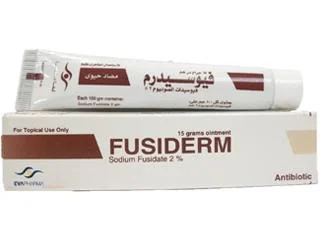
Betamethasone and Fusidic Acid Cream
2/0.12%
Betamethasone with fusidic acid as a 2/0.12% cream for eczema and infected dermatitis. A potent corticosteroid alongside an antibacterial.
From$21.46/ tubeView
Dermatitis becomes infected when bacteria, most often Staphylococcus aureus, take hold in already-broken or inflamed skin. The result is a flare that does not settle with moisturiser alone: the skin weeps, crusts over, and may smell faintly. In humid climates, heat and sweat create ideal conditions for this cycle to accelerate.
2/0.12%
Betamethasone with fusidic acid as a 2/0.12% cream for eczema and infected dermatitis. A potent corticosteroid alongside an antibacterial.
Plain eczema is dry, itchy, and red. When infection is added, the picture shifts. Look for golden or honey-coloured crusting, oozing fluid, a sudden worsening after a period of stability, and skin that feels warm to touch. Small pustules around the edge of the rash are another pointer. A fever or rapidly spreading redness extending beyond the original patch warrants same-day medical attention.
Treatment targets both problems at once. Topical preparations that pair an antibiotic such as fusidic acid with a corticosteroid like betamethasone reduce bacterial load while calming the underlying inflammation, which breaks the flare faster than tackling either alone. Keeping the area clean with plain water, patting dry gently, and avoiding occlusive dressings that trap moisture all support recovery. The wider range of options for the skin is covered in our skin care catalogue.