
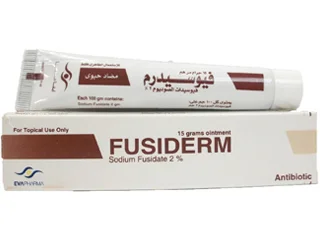
Fusiderm B
Eczema, Dermatitis
2/0.12%
Fusiderm B is betamethasone with fusidic acid as a cream for eczema and dermatitis, a potent steroid alongside an antibacterial agent.
From$21.46/ tubeView
Fusidic acid (found in brands like Fucidin H and Fusiderm B) is an antibiotic agent formulated as a cream to treat bacterial issues affecting the skin. Betamethasone and Fusidic Acid Cream and Fusiderm B are the two products available for targeted topical application in managing skin inflammation.
Eczema, Dermatitis
2/0.12%
Fusiderm B is betamethasone with fusidic acid as a cream for eczema and dermatitis, a potent steroid alongside an antibacterial agent.
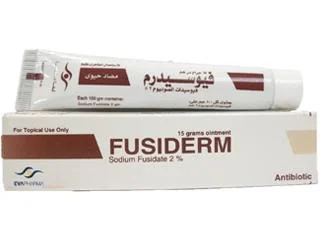
Eczema, Infected Dermatitis
2/0.12%
Betamethasone with fusidic acid as a 2/0.12% cream for eczema and infected dermatitis. A potent corticosteroid alongside an antibacterial.
Fusidic acid is an antibiotic used in topical dermatology. It works by targeting bacterial growth directly at the site of application. Because skin infections vary, it is often combined with other agents, such as corticosteroids, to manage both the underlying infection and associated inflammation.
This medication is primarily indicated for bacterial skin infections. It is a common component in treatments for Infected Dermatitis, Dermatitis, and Eczema when these conditions involve a bacterial component.
Fusidic acid stops bacteria from producing the proteins they need to survive and multiply. By preventing this process, it curbs the infection and allows the natural healing of affected skin areas.
Available forms typically include creams designed for direct application to the skin. Combinations, such as those pairing fusidic acid with a steroid, are common within our Skin Care catalogue. These formulations serve patients who require both antibacterial action and relief from associated irritation.
Confirm that the product matches the specific skin condition or infection type diagnosed by your provider. Ensure you are not sensitive to any ingredients in the cream base or the active compound itself.
Topical use may occasionally cause local skin irritation, redness, or dryness at the site of application. Use only for the duration and frequency advised to avoid unintended skin changes.
Discuss existing skin treatments or topical products with a professional. Combining multiple topical agents can increase the risk of irritation or alter how the active ingredient absorbs into the skin. Product labelling and verified clinical sources remain the correct references for specific contraindications, interactions and reactions.