
Dermatitis
Dermatitis is a broad term for skin inflammation. It produces redness, itching, swelling, and sometimes blistering or oozing, depending on the type and severity. The condition is not contagious, but it can significantly affect daily life when symptoms flare.
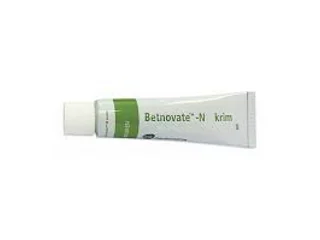
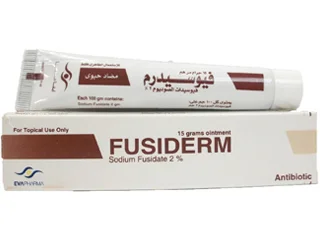
Fusiderm B
2/0.12%
Fusiderm B is betamethasone with fusidic acid as a cream for eczema and dermatitis, a potent steroid alongside an antibacterial agent.
Key points
- Atopic, contact, and seborrhoeic forms each have distinct triggers, from inherited sensitivity to specific irritants or yeast overgrowth.
- Topical corticosteroids of varying strength treat flares, from mild options for facial skin to stronger agents for stubborn patches.
- Regular moisturising to restore the skin barrier is as important as medicated treatment in reducing flare frequency.
Types and triggers
The most common forms are atopic dermatitis (eczema), contact dermatitis, and seborrhoeic dermatitis. Atopic dermatitis tends to run in families alongside asthma and hay fever, and flares are often worsened by heat and humidity, which makes it particularly prevalent in tropical climates. Contact dermatitis arises when skin reacts to a specific irritant or allergen such as latex, nickel, or certain cosmetic ingredients. Seborrhoeic dermatitis targets oily areas like the scalp, face, and chest, often linked to the Malassezia yeast.
Reducing and treating flares
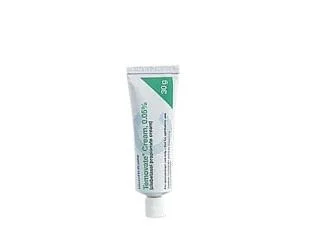
For mild to moderate inflammation, short courses of topical corticosteroids are a mainstay. Stronger options such as clobetasol are used for resistant or severe patches, while mid-potency agents like betamethasone suit many everyday flares. When a secondary bacterial infection develops, fusidic acid, often combined with a steroid, clears the infection while calming inflammation. Browse the full skin care range for topical options.
Day-to-day skin care
Consistent moisturising is as important as any medicated treatment. Applying a fragrance-free emollient several times a day helps restore the skin barrier and reduces the frequency of flares. Identifying and avoiding personal triggers, wearing breathable fabrics, and using mild, soap-free cleansers all make a meaningful difference over time.
If dermatitis spreads rapidly, becomes infected (look for weeping, crusting, or warmth), or fails to respond after a few weeks of treatment, seek medical advice.