
Acitretin
Acitretin is an oral retinoid used when Psoriasis has not cleared with creams or light therapy. Neotigason is the most widely recognised brand, and Soriatane is another formulation listed on this page. Capsule strengths vary between the available products.
Key points
- Because of the risk of serious birth defects, treatment is usually overseen by a dermatologist with close monitoring rather than a general doctor.
- It slows the rapid turnover of skin cells that causes psoriasis plaques, with visible flattening typically appearing within four to twelve weeks.
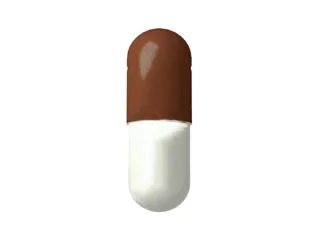
- The medicine is only available as a capsule, best absorbed when taken with a meal containing some fat.
What is Acitretin?
Acitretin belongs to the retinoid family, synthetic derivatives of vitamin A, and is formulated as a hard capsule for daily oral use. It is reserved for severe forms of psoriasis, including pustular and erythrodermic types, where gentler treatments have failed.
Because this medicine can cause serious birth defects and requires close monitoring, it is typically prescribed by a dermatologist rather than a general practitioner. Different hard-capsule strengths exist so that your doctor can tailor the dose to the severity of your condition and your body weight.
What Acitretin is used for
Its primary use is managing Psoriasis, particularly plaque, pustular and erythrodermic forms that cover a large body area. Dermatologists also prescribe it for related scaling disorders such as ichthyosis and Darier disease when other options are unsuitable.
The goal is to slow the rapid growth of skin cells that causes thick, scaly plaques, easing redness, scaling and discomfort over weeks to months of treatment.
How does Acitretin work?
Once swallowed, Acitretin enters the bloodstream and binds to retinoic acid receptors inside skin cells. These receptors regulate how quickly skin cells multiply and mature. By activating them, Acitretin slows the runaway cell turnover that underlies psoriasis plaques.
The practical result is thinner, less inflamed plaques over time. Most patients begin to notice meaningful peeling and flattening of lesions within four to twelve weeks, though the full benefit often takes longer.
Acitretin brands and forms
Acitretin is available exclusively as a hard capsule, there is no cream, gel or liquid formulation. The listing includes both Soriatane and Neotigason. Skin Care specialists familiar with retinoid therapy can guide you on capsule strength.
Hard capsules are absorbed best when taken with food, particularly a meal that contains some dietary fat. Because Acitretin has a long half-life and can remain in the body for months after stopping, your doctor will schedule regular blood tests to monitor liver function and lipid levels throughout treatment.
Possible reactions and tolerability
Dry lips and skin are the most common complaints, and they affect the majority of people who take Acitretin for more than a few weeks. Other possible effects include nosebleeds, peeling skin on the palms and soles, and increased sensitivity to sunlight. Most of these reactions are dose-dependent and improve when the dose is adjusted or the course ends.
More serious concerns involve changes in liver enzymes and blood-fat levels, which is why your doctor will order blood work before and during treatment. Any new headache or visual disturbance should be reported promptly, as it may signal raised pressure around the brain.
Interactions and health factors
Acitretin should not be combined with other retinoids, including high-dose vitamin A supplements, as excessive retinoid exposure raises the risk of side effects. Tetracycline antibiotics may also interact, increasing the chance of raised intracranial pressure. If you have liver or kidney disease, abnormal blood-lipid levels, or are pregnant or may become pregnant, Acitretin is contraindicated. Women of childbearing age must use effective contraception during treatment and for a defined period after the final dose, as specified in the prescribing information.