
Heart Failure
Heart failure does not mean the heart has stopped, it means the heart muscle has weakened or stiffened to the point where it can no longer pump blood efficiently. Blood and fluid back up, and the body’s organs receive less oxygen than they need. It is a common condition, particularly where ageing populations and high rates of hypertension make it a leading cause of hospitalisation.
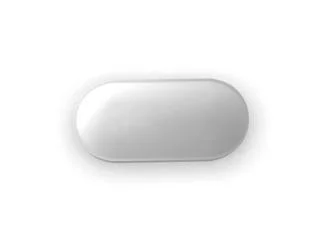
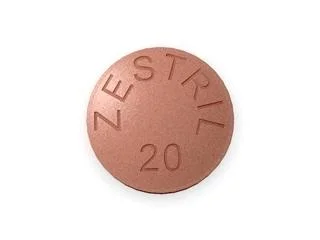
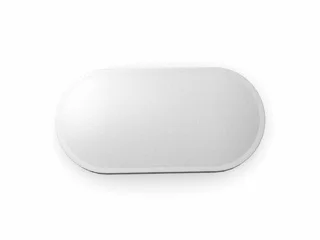
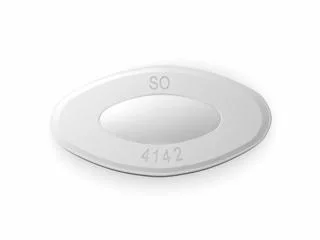
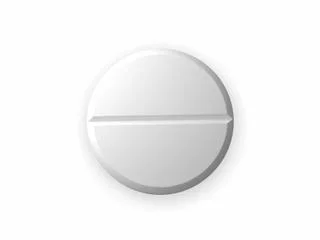
Digoxin Tablets
0.25mg
Digoxin 0.25mg tablets, used in the management of heart failure and atrial fibrillation. A cardiac glycoside that inhibits the sodium-potassium pump.
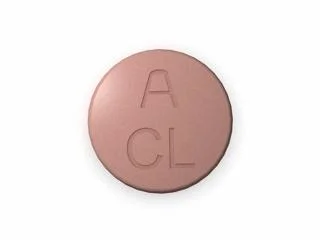
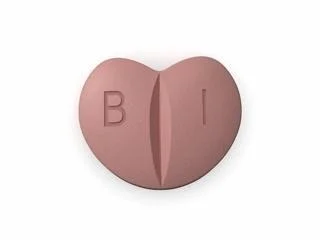
Candesartan Tablets
4 · 8 · 16mg
Candesartan 4mg, 8mg and 16mg tablets, used in the management of hypertension and chronic heart failure. An angiotensin II receptor blocker.
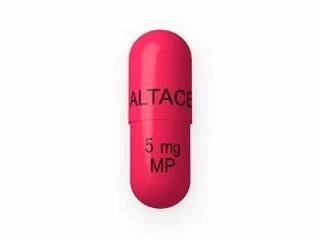

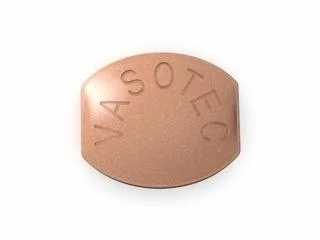
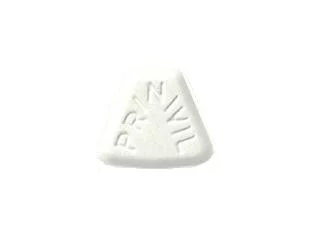


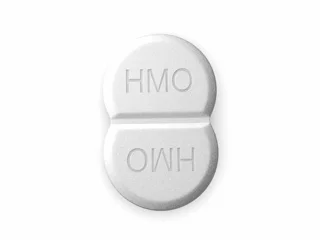
Apresoline
25mg
Hydralazine 25mg tablets, used in the management of hypertension and heart failure. A vasodilator that relaxes arterial smooth muscle directly.
Key points
- Difficulty breathing during simple activities such as stair climbing or lying down flat tends to appear early.
- Medicines that widen blood vessels reduce the resistance the heart must pump against, easing its overall workload.
- Another drug type helps the body shed excess fluid and separately protects heart muscle over time.
What heart failure feels like
Breathlessness is the most recognisable sign, especially when lying flat or climbing stairs. Swelling in the ankles and legs, persistent fatigue, and a rapid or irregular heartbeat are also typical. Some people notice a persistent cough, reduced appetite, or difficulty concentrating. Symptoms often worsen gradually, so many people adapt to them without realising how much their capacity has declined.
If breathlessness comes on suddenly at rest, or you cough up pink foamy fluid, seek urgent medical attention.
How it is managed
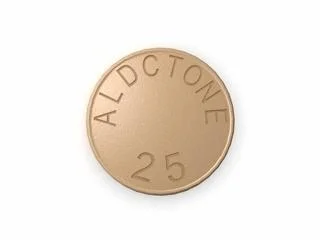
Heart failure is treated with medicines that reduce the heart’s workload, prevent further damage, and ease fluid build-up. ACE inhibitors are a cornerstone of treatment: lisinopril, ramipril, enalapril, and perindopril all help widen blood vessels and lower the pressure the heart pumps against. Aldosterone blockers such as spironolactone and eplerenone reduce fluid retention and offer additional heart-protective effects. These medicines are often used together and require regular monitoring to stay effective. More options are listed in our heart and blood pressure category.
Living with heart failure
Alongside medicine, daily habits matter considerably. Limiting salt reduces fluid retention, and tracking weight each morning can reveal early signs of a flare before symptoms worsen. Staying active within comfortable limits, short walks, gentle movement, helps maintain heart function. Smoking, heavy alcohol, and untreated sleep apnoea all accelerate decline and are worth addressing directly.
Further reading
Related articles

9 Aug 2026 ⋅ 9 min read
Blood Pressure Medicine in a Hot Climate: Why the Dose That Worked Back Home Feels Wrong
Heat changes what a blood pressure medicine does to you, and the dizziness that starts a few weeks after moving is usually the two things meeting. Which classes the heat compounds, what a home reading is really telling you, and the mistake people make on the hottest days.
Read guide