
Bisoprolol
Bisoprolol (Cardicor, Lodoz) is a beta-blocker used to manage high blood pressure and chronic heart failure.
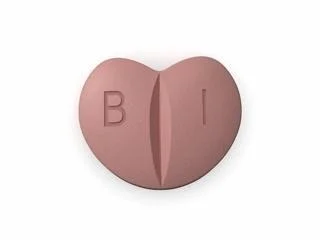

Key points
- As a selective beta-1 blocker, it targets the heart more specifically than older beta-blockers that also act on the lungs and blood vessels.
- Stopping it abruptly can trigger a rebound rise in heart rate or an irregular rhythm.
- Zebeta and Ziac are generic versions that contain the same active compound as the branded Cardicor and Lodoz tablets.
What is Bisoprolol?
Bisoprolol belongs to a family of medications called selective beta-1 blockers. Unlike older beta-blockers that affect the lungs, heart and blood vessels more broadly, bisoprolol mainly targets beta-1 receptors in the heart. This can allow some patients to tolerate it better during ongoing treatment.
Several brands of bisoprolol exist because the medication is not protected by patent in many countries. Different manufacturers produce film-coated tablets in various strengths, so the active compound is the same but packaging, pricing and availability vary from one source to the next.
What Bisoprolol is Used For
Bisoprolol is prescribed for Hypertension (persistently high blood pressure) and for people living with Chronic Heart Failure. In hypertension, it helps lower blood pressure, reducing strain on the heart and arteries over time. In chronic heart failure, it supports the heart’s ability to work more efficiently.
How Does Bisoprolol Work?
Your heart has tiny receptors called beta-1 receptors that respond to adrenaline. When adrenaline binds to them, your heart rate and force of contraction rise. Bisoprolol blocks those receptors, slowing the heart rate and reducing the workload on the heart. The result is a lower heart rate and a drop in blood pressure, which can ease symptoms and decrease the risk of further cardiac events.
Bisoprolol Brands and Forms
Common brands of bisoprolol include Cardicor and Lodoz (the original branded versions) alongside generic versions such as Zebeta and Ziac in our listing. In the Heart & Blood Pressure category, film-coated tablet is the form most often listed, as it allows consistent dosing and is easy to take daily.
Some combinations include a diuretic alongside bisoprolol in a single tablet, which a doctor may choose when blood pressure needs multi-target management. The key distinction between brands often comes down to formulation, local licensing and strength rather than core effect.
Safety Overview for Bisoprolol
What to Check Before Using This Medicine
Always confirm the dose and brand with your doctor before starting or switching bisoprolol. Your existing heart rhythm, blood pressure and any other medications you take must be taken into account. Sudden discontinuation of bisoprolol can trigger a rebound increase in heart rate or uneven rhythm.
Possible Reactions and Tolerability
Common effects can include fatigue, dizziness, cold hands or feet, and a resting heart rate that is lower than before. Not everyone experiences these effects, and their importance or severity varies by person. Any persistent or severe symptoms should be reported to your doctor.
Interactions and Health Factors
Bisoprolol can interact with other heart medications, certain asthma treatments, and some antidepressants. Kidney function is also relevant to how the drug is cleared from your body. Your doctor should review your full medical picture before recommending bisoprolol.
Product labelling and verified clinical sources remain the correct references for specific contraindications, interactions and reactions.
Further reading
Related articles

9 Aug 2026 ⋅ 9 min read
Blood Pressure Medicine in a Hot Climate: Why the Dose That Worked Back Home Feels Wrong
Heat changes what a blood pressure medicine does to you, and the dizziness that starts a few weeks after moving is usually the two things meeting. Which classes the heat compounds, what a home reading is really telling you, and the mistake people make on the hottest days.
Read guide