
Griseofulvin
Griseofulvin (such as Fulvicin and Grifulvin) is a medication used to address persistent fungal infections of the skin, scalp, and nails. It functions by preventing fungal cells from multiplying.
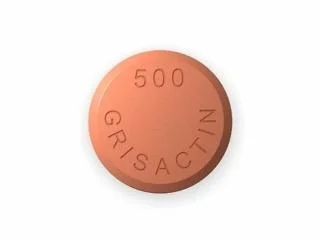
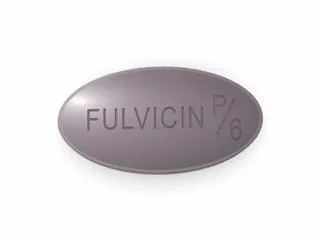
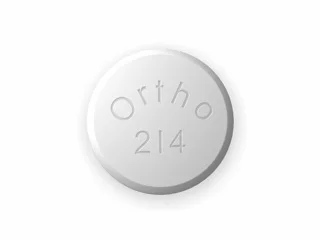
Grifulvin V
Tinea Capitis, Tinea Corporis, Tinea Pedis
250mg
Grifulvin V is griseofulvin 250mg tablets for tinea capitis, tinea corporis and tinea pedis. It binds microtubular proteins and disrupts the mitotic spindle.
Key points
- Rather than killing fungus directly, it builds into new skin, hair and nail tissue so growth becomes resistant to infection.
- It disrupts fungal cell division by binding to microtubules, halting replication rather than killing the organism outright.
- A full course must be completed since the treated infection clears only as old, infected tissue is replaced by new growth.
- Because the liver processes it, people with liver disease or porphyria need this checked before starting.
What is Griseofulvin?
Griseofulvin is a synthetic benzofuran derivative designed to treat systemic fungal infections. It is distinct because it deposits into keratin precursor cells, making new skin, hair, and nails resistant to fungal attack. Because it targets specific biological pathways, several brands and generics exist to ensure the medication remains accessible.
The availability of different brands, such as Fulcin, Grisovin, and Likuden, allows patients to select the option that aligns with their needs. While individual formulations may differ in their inactive ingredients, the active purpose remains the same: inhibiting the fungal growth cycle.
What Griseofulvin is used for
Griseofulvin is primarily used within the class of Antifungals. It treats superficial fungal infections that affect the keratin structures of the body, such as Dermatophytosis and Tinea Corporis.
The medication is also effectively utilised when stubborn infections reach the nails, a condition commonly known as Onychomycosis. By accumulating in the keratin tissue, the medication resists the infection from the inside out as new tissue grows.
How does Griseofulvin work?
This medicine works by binding to microtubules within the fungal cell. By interfering with microtubule function, it disrupts the process of mitosis, or cell division. This halt means the fungus can no longer replicate effectively.
Because it stops replication rather than instantly killing the organisms, the infection is cleared as the infected keratin is naturally shed and replaced by healthy, resistant tissue. Consistency throughout the full course of treatment is required to allow this process to complete.
Griseofulvin brands and forms
The brand range for Griseofulvin includes long-standing names like Fulvicin, Grifulvin, and Grisactin alongside other familiar options like Fulcin and Likuden. These brands typically share the same active compound, ensuring they function in the same way.
The primary form available is the tablet. Selecting between products often comes down to dosage strengths or brand availability. Patients should ensure the tablet strength chosen matches the instructions provided by their healthcare provider.
Safety overview for Griseofulvin
What to check before using this medicine
Review your medical history to ensure you do not have liver disease or porphyria. Because Griseofulvin is processed by the liver, those with hepatic health factors or significant alcohol consumption should be cautious. Always confirm the absence of known allergies to this compound.
Possible reactions and tolerability
Some individuals may experience mild gastrointestinal discomfort, such as nausea or loss of appetite, when starting therapy. Other common reactions may include headaches or skin rashes. If you encounter persistent dizziness or severe skin irritation, discontinue use and seek guidance.
Interactions and health factors
Certain medications can affect how your body processes this antifungal. Avoid combining this with blood thinners or oral contraceptives without medical confirmation, as it may reduce their effectiveness. Product labelling and verified clinical sources remain the correct references for specific contraindications, interactions and reactions.