
Tinea Corporis
Tinea corporis, commonly called ringworm, is a superficial fungal infection of the skin caused by dermatophytes. Despite the name, no worm is involved, it is entirely fungal. The infection produces one or more ring-shaped patches with a raised, scaly border and a clearer centre, most often on the arms, legs, or trunk. Itching is typical, and the patches can spread or merge if left untreated.
Grifulvin V
250mg
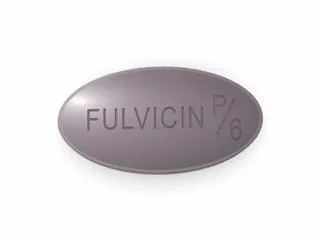
Grifulvin V is griseofulvin 250mg tablets for tinea capitis, tinea corporis and tinea pedis. It binds microtubular proteins and disrupts the mitotic spindle.
Key points
- The rash forms a ring with a raised, scaly edge and a clearer patch of skin at its centre.
- Sweat trapped under clothing and close contact with others both raise the chance of picking up the fungus.
- Terbinafine cream usually clears the rash within one to two weeks, but stopping treatment early is the most common cause of relapse.
Why it is so common in humid climates
Dermatophytes thrive in warm, humid conditions, which is why tinea corporis is a frequent complaint in tropical climates. Densely populated settings also make person-to-person spread through skin contact or shared towels and clothing more likely. Sweating under clothing increases the risk further, so outbreaks often flare during the hotter months.
Clearing the infection
Most cases respond well to topical antifungals. Creams containing terbinafine are widely used and typically clear the infection within one to two weeks of consistent application. Griseofulvin taken orally is an option for more extensive or persistent infections, or where topical treatment is impractical.
Treatment should continue for the full recommended course even after the rash looks better, stopping early is the most common reason for relapse. Keeping the affected area clean and dry, wearing breathable fabrics, and not sharing personal items all support recovery and reduce the chance of reinfection.
Consult a doctor if the rash spreads rapidly, is very inflamed, or does not improve after two weeks of treatment.