
Terbinafine
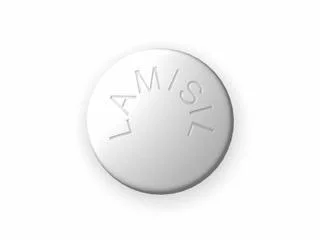
Terbinafine is a medication used to address various fungal infections. It acts to stop the growth of fungi that affect layers of the skin and nails. The following catalogue features the Tablet formulation for those seeking treatment options, with Lamisil often serving as the originator brand.
Key points
- An allylamine antifungal typically reserved for infections that have not responded to topical treatment alone.
- Blocks squalene epoxidase, the enzyme fungi need to build their cell wall, causing a toxic buildup that halts growth.
- Because the liver processes it, existing liver conditions may need to be checked and monitored before treatment starts.
What is Terbinafine?
Terbinafine is an antifungal agent belonging to the allylamine class. It is primarily used to target fungal infections that do not respond to topical treatments alone. Its primary function is to inhibit the growth of fungi at the cellular level.
What Terbinafine is used for
This medication is indicated for common dermatophyte infections. It is a standard option for treating Tinea Pedis and other similar fungal conditions. It is also frequently utilised for Onychomycosis, which involves fungal growth within the nail bed. As one of the primary Antifungals available, it provides a systemic approach to clearing persistent infections.
How does Terbinafine work?
Terbinafine works by interfering with the fungal cell membrane production. It specifically blocks squalene epoxidase, an enzyme required for the synthesis of ergosterol, which is a key component of the fungal cell wall. This process leads to the accumulation of squalene, which is toxic to the fungus, ultimately stopping its growth and replication.
Terbinafine brands and forms
The market for this ingredient consists of the original brand, Lamisil, and various generic counterparts. Tablets are the primary form used for systemic treatment, which ensures the medication reaches the site of infection through the bloodstream. While tablets are common, patients should verify the required strength for their specific condition before use.
Safety overview for Terbinafine
What to check before using this medicine
Prior to using this medication, it is necessary to consider existing liver function. Terbinafine is processed by the liver, and patients with pre-existing hepatic conditions may require monitoring. It is also important to disclose all other current medications to avoid potential issues.
Possible reactions and tolerability
Common reactions can include digestive disturbances, such as nausea or abdominal discomfort. Some individuals may experience skin rashes or temporary changes in taste sensation. Most symptoms are manageable, but consistent monitoring of skin and gastric health is advised during treatment.
Interactions and health factors
Terbinafine may interact with other compounds, including certain antidepressants and beta-blockers. Its metabolism can be altered by other drugs, which may change its effectiveness or the likelihood of side effects. Health factors like kidney function should also be taken into account when evaluating if this treatment is suitable.
Further reading
Related articles

23 Sept 2026 ⋅ 8 min read
Tropical Skin in Thailand: Fungal Infections, Heat Rash & Acne
Why hot, humid weather triggers skin problems, and what helps: heat rash, athlete's foot, jock itch, ringworm and acne in Thailand's climate, plus when to see a doctor.
Read guide