
Tinea Pedis
Tinea pedis, widely known as athlete’s foot, is a superficial fungal infection caused by dermatophytes that colonise the dead outer layer of skin. The condition is common in tropical and subtropical climates, where heat and humidity create ideal conditions for fungal growth, and it spreads readily in shared spaces such as hotel pools, gyms, and public bathhouses.
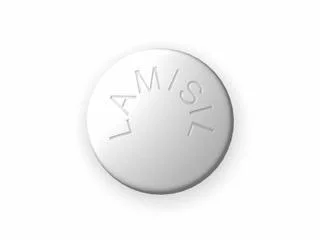
Grifulvin V
250mg
Grifulvin V is griseofulvin 250mg tablets for tinea capitis, tinea corporis and tinea pedis. It binds microtubular proteins and disrupts the mitotic spindle.
Key points
- Itching and peeling between the toes, especially the two smallest, are the most familiar early signs.
- A less common form raises small fluid-filled blisters on the arch instead of the usual dry scaling.
- Cracked skin can become infected with bacteria, and red streaking spreading up the foot needs urgent medical attention.
- Widespread or nail-involving infections that respond slowly to creams may call for a course of oral antifungal treatment.
What it looks and feels like
The most familiar form produces itching, peeling, and maceration in the spaces between the toes, particularly the fourth and fifth. A more extensive pattern can spread across the sole in a dry, scaly sheet, while a less common vesicular form raises small fluid-filled blisters on the arch. Skin can crack and become secondarily infected with bacteria; red streaking up the foot or ankle warrants prompt medical attention.
Clearing the infection
Topical antifungals are the usual first approach, and most uncomplicated cases respond well. Terbinafine is widely used and works by disrupting the fungal cell membrane; short courses are often sufficient. For infections that are widespread, nail-involving, or slow to respond, oral therapy with agents such as griseofulvin may be considered.
Keeping feet dry, rotating footwear, and using moisture-wicking socks reduce the chance of recurrence after treatment.