
Dermatophytosis
Dermatophytosis is a group of fungal infections caused by dermatophytes, moulds that feed on keratin in the skin, hair, and nails. Commonly known as ringworm, athlete’s foot, jock itch, or nail fungus depending on location, these infections are among the most frequent reasons people seek treatment for skin problems.
Key points
- Ring-shaped patches with a clearer centre and raised, itchy edges are the classic presentation of these fungal infections.
- Heat and humidity favour fungal growth, and shared changing rooms, pools and dormitories allow the infection to pass between people easily.
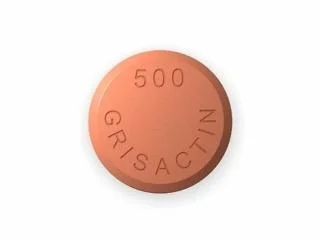
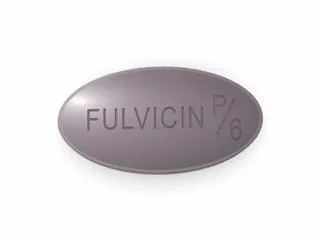
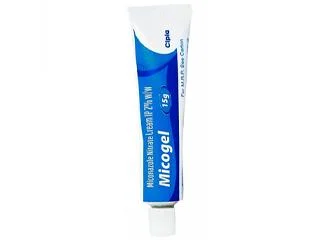
- Miconazole clears many skin-surface infections within weeks, while griseofulvin is the long-established oral choice for scalp ringworm.
- Stopping treatment too soon, rather than the wrong drug choice, is the most frequent reason an infection comes back.
Why it spreads so readily in tropical climates
Heat and humidity create ideal conditions for dermatophyte growth, which is why rates are particularly high in hot, humid climates. Crowded communal spaces, shared changing rooms, swimming pools, and dormitories, allow direct skin-to-skin or surface contact to pass the infection easily. Athletes’ foot (tinea pedis) is especially common among people who wear enclosed shoes for long hours in warm weather.
How dermatophytosis presents
Infections show as ring-shaped or scaly patches that expand outward with a clearer centre. The edges are often raised, red, and intensely itchy. On the scalp (tinea capitis) hair may break off near the root, leaving bald patches. Nail infections (tinea unguium) cause thickening, yellowing, and crumbling of the nail plate and are among the slowest to resolve.
Antifungal treatment options
Most skin-surface infections respond well to topical antifungals. Miconazole is a widely used imidazole that disrupts fungal cell membranes and clears many tinea infections within a few weeks. Scalp or nail infections, and widespread or persistent skin infections, generally require oral antifungals: griseofulvin has a long track record for scalp ringworm and continues to be widely used. You can browse the full antifungals range or explore options under skin care.
Treatment duration matters as much as drug choice: stopping early is the most common reason infections return.