
Desmopressin
Desmopressin is a synthetic analogue of the natural human hormone vasopressin. This agent regulates how the body conserves water. Available in 2 formulations, including brands like DDAVP and Nocdurna, this medication is used for Nocturnal Enuresis and Diabetes Insipidus. It functions by reducing urine production.
Key points
- By binding kidney receptors that control fluid balance, it prompts water to move back into the blood before urine formation, cutting urine volume.
- For central diabetes insipidus, long-term use helps the body hold on to enough water to avoid dehydration and shifts in blood electrolytes.
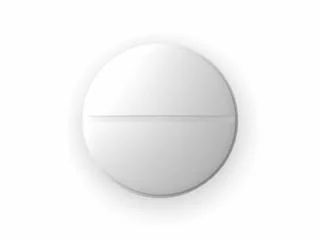
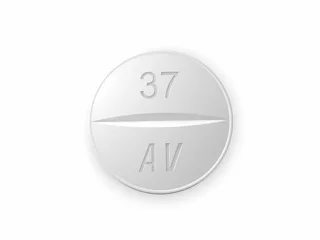
- Available as brands including Desmomelt, Desmotabs and DDAVP, supplied either as a standard tablet or as an orodispersible tablet.
What is Desmopressin?
Desmopressin serves as a synthetic replacement for vasopressin, a hormone that manages water balance in the body. It belongs to the broader category of Hormone Therapy, mimicking the action of native peptides to limit the volume of urine produced by the kidneys.
The availability of multiple brand-name and generic options reflects the need for consistent management of water-retention issues. Different preparations provide varied delivery methods suitable for individual sensitivity and treatment requirements.
What Desmopressin is used for
Clinical applications for this medication target conditions where the regulation of urine output is impaired. It is primarily used to address Nocturia, a condition characterized by frequent nighttime urination, and the Bedwetting that can affect both children and adults.
Beyond bladder-related issues, it serves as a long-term management option for central cranial diabetes insipidus. In this context, it ensures the body does not excrete excessive water, thereby preventing dehydration and electrolyte imbalances.
How does Desmopressin work?
This medication increases water reabsorption in the collecting ducts of the kidneys. By acting on specific receptors, it signals the kidneys to return water to the bloodstream instead of passing it into the bladder as urine.
This process reduces the frequency and volume of urination. Because it acts selectively, it provides targeted control over fluid balance without affecting other physiological pathways.
Desmopressin brands and forms
The brand range includes established names like Desmomelt, Desmotabs, and DDAVP, which are often used as benchmarks for efficacy. Beyond these, generic versions provide identical active compounds to ensure consistent management of Bladder Health.
Formulations are chosen based on how quickly they need to act and the feasibility of administration. Available forms include:
- Tablet
- Orodispersible tablet
Safety overview for Desmopressin
What to check before using this medicine
Individuals must evaluate their fluid intake and current kidney function before starting treatment. Dehydration or conditions associated with low blood sodium concentrations create risks that require careful monitoring.
Possible reactions and tolerability
Common responses involve fluid retention, which can lead to headaches, nausea, or abdominal discomfort. Maintaining a balance between fluid intake and medication dosage is necessary to prevent adverse outcomes.
Interactions and health factors
Certain substances may interfere with how the medication is processed or increase the risk of water retention. Product labelling and verified clinical sources remain the correct references for specific contraindications, interactions and reactions.
Further reading
Related articles

23 Sept 2026 ⋅ 7 min read
Overactive Bladder in an Air-Conditioned Life
The medicines that calm an overactive bladder work partly by drying you out, and one of the things they dry is sweat. In a temperate country that is a nuisance. In this one it removes part of how you cope with the street outside.
Read guide