
Diabetes Insipidus
Diabetes insipidus has nothing to do with blood sugar. It is a disorder of fluid regulation in which the kidneys cannot conserve water properly, leading to the passage of very large volumes of pale, dilute urine and an almost constant, intense thirst. Untreated, it can cause serious dehydration even when a person is drinking frequently.
Key points
- Despite the name, diabetes insipidus is unrelated to blood sugar and instead reflects a failure of the kidneys to conserve water.
- Most cases happen because the brain does not make enough antidiuretic hormone, sometimes after a head injury or pituitary surgery.
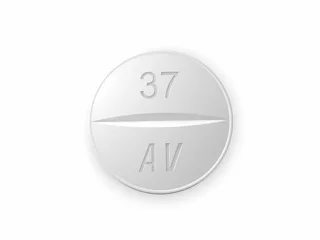
- A synthetic version of the hormone lets the kidneys concentrate urine again, relieving constant thirst within hours of each dose.
What drives it and how it is treated
Most cases are central diabetes insipidus, where the brain produces too little antidiuretic hormone (ADH, also called vasopressin). Without ADH, the kidneys simply let water pass through rather than reabsorbing it. The condition can follow head trauma, surgery near the pituitary gland, or develop without a clear cause. A rarer form, nephrogenic diabetes insipidus, occurs when the kidneys fail to respond to ADH at all.
For central diabetes insipidus, the standard approach is hormone therapy with a synthetic form of vasopressin. Desmopressin mimics the natural hormone and allows the kidneys to concentrate urine normally, dramatically reducing output and relieving thirst within hours of a dose. Symptoms are well controlled for most people on a stable regimen, though dose adjustments are sometimes needed after illness, temperature extremes, or changes in activity.
If you experience sudden extreme thirst, urinating many litres per day, or signs of dehydration such as dizziness or confusion, seek medical assessment promptly.