
Transplant Rejection
After an organ transplant, the immune system can identify the new organ as foreign tissue and mount an attack against it. This response, known as transplant rejection, can occur days after surgery or years later, and requires lifelong medical management to keep the organ functioning.
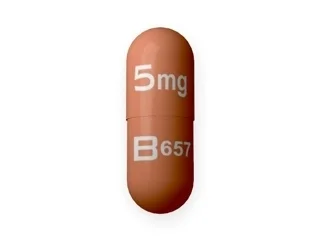
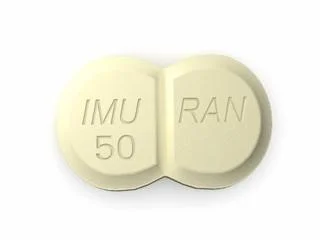



Key points
- Rejection does not always produce obvious symptoms, which is why regular blood tests and biopsies are used to monitor the graft.
- Warning signs differ by organ, ranging from reduced urine output in a kidney to jaundice in a liver transplant.
- Most recipients take two or three immune-suppressing medicines together, balancing the risk of rejection against the risk of infection.
- Different drugs target different steps in the immune response, from blocking calcineurin to slowing the production of attacking immune cells.
Recognising rejection
Rejection does not always cause obvious symptoms, which is why transplant teams schedule regular biopsies and blood tests. When symptoms do appear they vary by organ: a kidney rejection may cause reduced urine output, swelling, and tenderness over the graft site; a liver rejection can present as jaundice and elevated liver enzymes; a heart recipient may notice breathlessness or fatigue. Fever and a general feeling of illness are common across organ types. Any sudden change in how you feel after a transplant warrants prompt contact with your transplant team.
Keeping the immune system in check
Prevention is the foundation of transplant care. Medicines from the autoimmune support class are used in combination to suppress the immune response without disabling it entirely. Tacrolimus and ciclosporin target calcineurin, a protein central to the immune cascade. Mycophenolate mofetil and azathioprine reduce the production of immune cells that attack the graft. Sirolimus works through a different pathway and is often used when calcineurin inhibitors are not well tolerated.
Most recipients take two or three of these agents together at the lowest dose that keeps the organ stable, balancing rejection risk against infection risk. Doses are reviewed frequently, particularly in the first year and after any rejection episode.
Transplant care in practice
Organ transplant programmes are well established in many places, with capacity continuing to grow. Living-donor kidney transplants are especially common in places where deceased-donor organs are less available. Wherever surgery takes place, lifelong immunosuppression and specialist follow-up are essential components of care.
Further reading
Related articles

23 Sept 2026 ⋅ 7 min read
Immunosuppressed in the Tropics: What Changes When the Fever Is Dengue
Medicines that turn the immune system down are the reason many people are well. They also change what an ordinary fever means, and dengue season is not an ordinary background. Why waiting it out is the one piece of standard advice that does not apply to you.
Read guide