
Tacrolimus
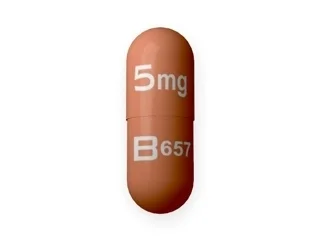
Tacrolimus is a potent immunosuppressive medication, widely known through originators like Prograf and Protopic. It serves distinct roles in medical care, ranging from managing immune response in transplant recipients to treating chronic skin inflammation. Two formulations are listed below.

Key points
- Works as a calcineurin inhibitor, stopping T-cells from triggering the inflammatory responses behind organ rejection or skin flare-ups.
- Systemic capsules such as Prograf and Adoport support transplant patients, while an ointment form treats inflamed skin in atopic dermatitis.
- Burning, itching and redness where the ointment is applied are common, usually easing as treatment continues.
What is Tacrolimus?
Tacrolimus is a medication that alters the activity of the immune system. By suppressing certain immune responses, it prevents the body from rejecting transplanted organs and reduces the skin inflammation associated with long-term dermatological issues. It is available in different medical preparations, tailored specifically for systemic internal use or localized external application on the skin.
What Tacrolimus is used for
The application of this medication is determined by the specific condition being treated. For patients recovering from organ transplantation, it serves in Transplant Rejection prevention by quieting the immune system’s defensive response. In dermatology, it is applied to the skin to manage Atopic Dermatitis, providing relief when other treatments have failed to address severe symptoms. Each use requires specific adherence to the method of administration.
How does Tacrolimus work?
At a cellular level, this medication acts as a calcineurin inhibitor. It prevents the activation of T-cells, which are the immune cells largely responsible for triggering inflammatory responses. By effectively suppressing these signals, it stops the autoimmune or rejection-focused activity that leads to tissue damage or skin flare-ups. This targeted action allows for the management of the condition without systemic broad-spectrum impacts.
Tacrolimus brands and forms
Medical guidelines distinguish between systemic and topical forms of this compound. Brands such as Prograf and Adoport are typically used for transplantation management and are available as a Capsule, hard. For inflammatory skin conditions, the Ointment form is the standard choice. This clear distinction is a core part of effective Autoimmune Support and Skin Care. Patients and providers choose based on the required site of action and the clinical goal.
Safety overview for Tacrolimus
What to check before using this medicine
Review your medical history regarding liver or kidney health, as these organs are involved in how the body processes the medication. Ensure that any existing infections or active illnesses are discussed with a professional, as immune-modulating agents change how your body detects and reacts to external threats.
Possible reactions and tolerability
Common reactions to oral forms may include changes in blood pressure or kidney function markers. Topical applications may cause temporary burning, itching, or redness at the site of application. These reactions often reduce as the body adjusts, but persistent discomfort warrants a review of the treatment approach.
Interactions and health factors
Alcohol, certain dietary supplements, and other medications can alter how this compound is absorbed or metabolised. Product labelling and verified clinical sources remain the correct references for specific contraindications, interactions and reactions.
Further reading
Related articles

23 Sept 2026 ⋅ 11 min read
Eczema and Sensitive Skin in Hong Kong: Triggers, Moisturisers & Safe Steroid Use
Why Hong Kong's humidity, air conditioning, hot showers and pollution flare eczema and sensitive skin, and what helps: moisturisers, the topical steroid potency ladder used safely, tacrolimus, and finding a treatment by active ingredient.
Read guide
23 Sept 2026 ⋅ 7 min read
Immunosuppressed in the Tropics: What Changes When the Fever Is Dengue
Medicines that turn the immune system down are the reason many people are well. They also change what an ordinary fever means, and dengue season is not an ordinary background. Why waiting it out is the one piece of standard advice that does not apply to you.
Read guide