
Atopic Dermatitis
Atopic dermatitis is a chronic inflammatory skin condition that causes intense itching, dryness, and reddened or thickened skin patches. It tends to flare and remit over months or years and often begins in childhood, though adults are frequently affected too. In humid tropical climates, heat-triggered sweating is a common flare driver alongside dust mites and detergents.
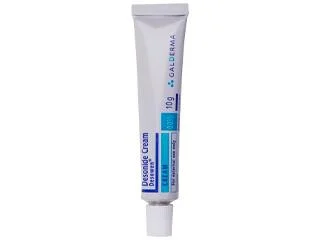
Desonate Cream
10g
Desonide cream in a 10g tube, applied for atopic dermatitis and eczema. A low-potency topical corticosteroid, anti-inflammatory and anti-pruritic.
Key points
- In darker skin tones, atopic dermatitis patches often appear grey, violet or brown instead of red, and can be overlooked at first glance.
- Heat, sweat, dust mites, harsh soaps and stress are common triggers that can set off a flare.
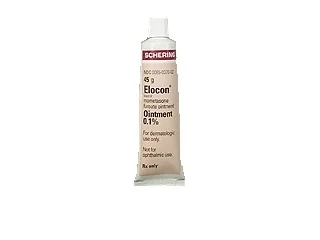
- Mid-potency steroid creams like mometasone suit the body, while gentler desonide is often reserved for sensitive areas such as the face.
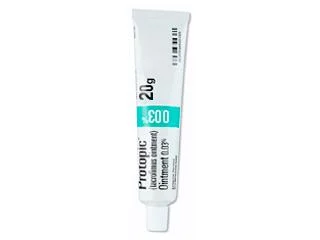
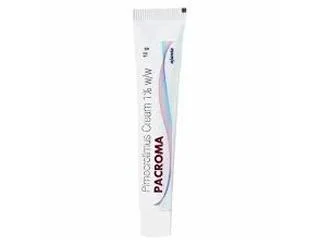
- When steroids are unsuitable long term, particularly for young children or facial skin, a calcineurin-inhibitor cream like tacrolimus avoids the thinning risk they carry.
How flares show up and what drives them
Affected skin appears dry, scaly, and deeply itchy. In lighter skin tones patches are typically red; in darker skin tones they may appear grey, violet, or darker brown, and are sometimes missed on initial assessment. Scratching breaks the skin barrier, inviting secondary infections that can worsen the cycle.
Common triggers include:
- House dust mites (prevalent in humid climates)
- Synthetic fabrics and harsh soaps
- Heat and sweat
- Stress
- Certain foods in younger children
Treating and calming the skin
Managing atopic dermatitis centres on restoring the skin barrier, reducing inflammation, and controlling itch. Consistent moisturiser use between flares is as important as active treatment during them.
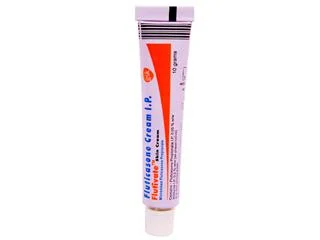
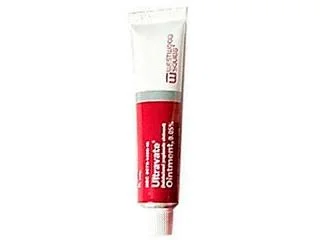
For mild-to-moderate flares, topical corticosteroids are the backbone of care. Mometasone and fluticasone propionate are mid-potency options suited to body areas, while desonide is often chosen for sensitive sites such as the face or skin folds. Halobetasol is reserved for thicker, more resistant patches on the body.
When steroids are not appropriate for longer-term use, particularly on the face or in children, topical calcineurin inhibitors such as tacrolimus offer an alternative that does not carry the same risk of skin thinning. For more severe or widespread atopic dermatitis, systemic options including the JAK inhibitor baricitinib are used under specialist guidance.
Browse the full skin care and autoimmune support ranges for available products.
When to seek medical advice
See a doctor if the skin becomes hot, weeping, or crusted over a wide area (signs of secondary infection), if itching is disrupting sleep for several nights running, or if symptoms are not responding to standard topical treatment within a few weeks.