Key points
- Treats asthma and chronic obstructive pulmonary disease as well as allergic rhinitis, depending on whether it is inhaled or sprayed into the nose.
- Requires regular daily use to build its effect, unlike inhalers meant for immediate symptom relief.
- Poor inhaler technique raises the risk of a localised fungal infection developing in the mouth or throat.
What is Fluticasone?
Fluticasone belongs to a class of steroid medications known as glucocorticoids. By mimicking natural hormones, it acts on the body to reduce swelling and irritation in affected tissues. Various formulations aim to target specific areas, whether inhaled to assist with breathing or sprayed into the nose to ease congestion. Because individual needs for symptom control vary, pharmaceutical manufacturers produce diverse strengths and delivery methods.
What Fluticasone is used for
This medication is widely utilised in the treatment of chronic airway conditions, particularly Asthma and Chronic Obstructive Pulmonary Disease. By consistently reducing airway inflammation, it manages symptoms and maintains lung function. Likewise, the nasal formulations are a standard approach for managing Allergic Rhinitis, addressing symptoms like nasal congestion, sneezing, and runny nose.
How does Fluticasone work?
Fluticasone works by binding to specific receptors in your cells that control the inflammatory response. Once activated, the medication suppresses the production of proteins that cause redness, swelling, and mucus buildup. This reduces the hypersensitivity of your airways or nasal linings, allowing you to breathe more freely. Unlike immediate-relief medications, it requires regular daily use to achieve the intended effect.
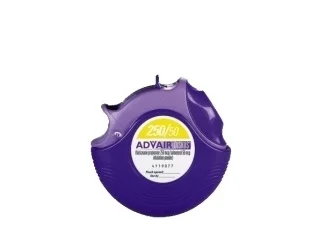
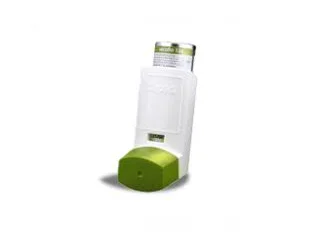
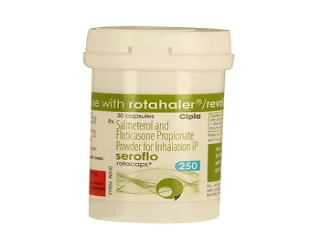
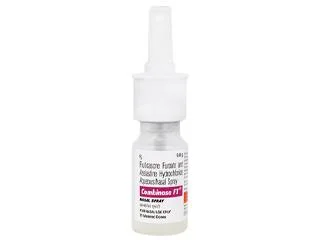
Patients managing respiratory issues often choose between inhalers and nasal sprays depending on the specific condition. Within Respiratory Health, options include dry powder inhalers like Advair Diskus or Seroflo Inhaler, as well as pressurised canisters. For nasal congestion and symptoms related to Allergy Relief, nasal sprays provide a direct application. Available forms are inhalation powder, nasal spray (suspension), and pressurised inhalation (suspension).
Safety overview for Fluticasone
What to check before using this medicine
Confirm that your symptoms align with the intended use of the particular product. Inform your healthcare practitioner of any history of infections, especially in the lungs or nose, and existing health conditions that might be complicated by corticosteroid use.
Possible reactions and tolerability
Some users may experience local irritation, such as a sore throat or dry nasal passages. Proper technique in using inhalers or sprays is important to minimise the risk of localised fungal infections in the mouth or throat.
Interactions and health factors
Discuss your current medication list with a provider, as certain preparations could interact with your existing treatments. Product labelling and verified clinical sources remain the correct references for specific contraindications, interactions and reactions.
Further reading