
Allergic Rhinitis
Allergic rhinitis is an immune reaction in the nasal lining triggered by airborne allergens. The nose, eyes, and throat are most affected. In tropical and subtropical climates, year-round humidity fosters persistent dust-mite and mould exposure, meaning symptoms rarely follow a neat “season” the way they do in temperate climates. Pollen seasons can drive sharp spikes in symptoms each spring.
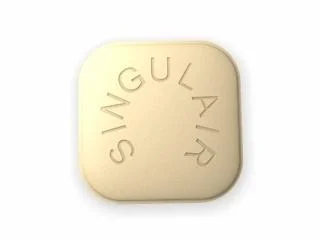
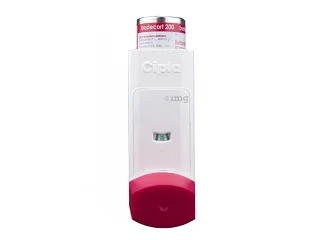
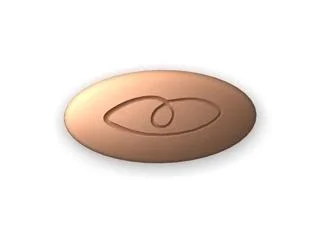
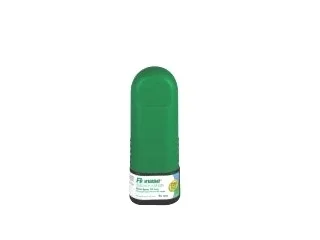
Flonase Nasal Spray
50mcg
Flonase Nasal Spray is fluticasone 50mcg as a nasal suspension for allergic rhinitis, a glucocorticoid applied inside the nose.
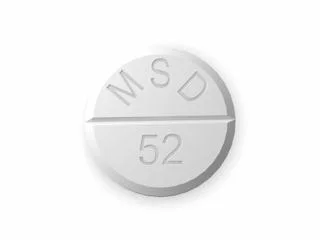

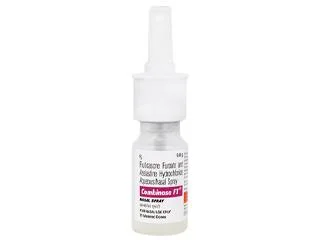
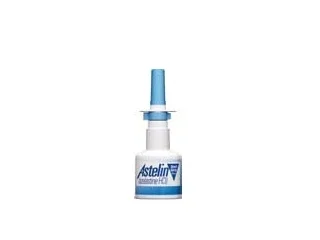
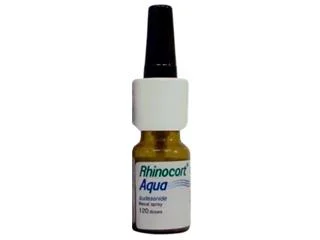
Rhinocort Nasal Spray
64mcg
Rhinocort Nasal Spray is budesonide at 64mcg per spray for allergic rhinitis, a glucocorticoid with strong local action and little beyond it.
Key points
- Poor sleep and daytime fatigue caused by a blocked nose are common but often overlooked features of the condition.
- Combining a daily antihistamine with a nasal steroid spray tends to work better than either treatment used alone.
- Blockage confined to one side, bloody discharge or a lost sense of smell can point to a different underlying problem.
What the symptoms look like
The hallmark cluster is sneezing (often in runs), a clear runny nose, nasal blockage, and itchy or watery eyes. Some people also notice an itchy palate or ears. Symptoms can be intermittent, tied to a specific exposure like a cat or a dusty room, or persistent, present on most days. Fatigue and poor sleep from nasal obstruction are common but under-recognised complaints.
Choosing the right treatment approach
Avoiding triggers where practical is the first step, but it is rarely enough on its own. For most people, treatment combines an antihistamine with a nasal corticosteroid spray.
Antihistamines such as bilastine or cyproheptadine reduce sneezing, itch, and watery discharge quickly. Nasal sprays containing fluticasone or budesonide target congestion and inflammation at the source and work best when used consistently rather than just on bad days. For people whose rhinitis is complicated by asthma or exercise-induced wheeze, montelukast addresses both airways together. Topical antihistamine sprays such as azelastine act within minutes and suit those who prefer not to take a daily tablet.
See also the respiratory health range for related conditions.
When to seek further assessment
Rhinitis is rarely dangerous, but a few patterns warrant medical attention: symptoms that persist despite treatment, one-sided nasal blockage or bloody discharge, loss of smell, or severe facial pain. These may point to structural issues or a different diagnosis rather than simple allergy.
Further reading
Related articles

10 Aug 2026 ⋅ 9 min read
Asthma and COPD in the Haze Season: Why Your Reliever Runs Out in March
The burning season turns controlled asthma into uncontrolled asthma every year, and most people respond to it with the wrong inhaler. What the smoke does to an airway, why reaching for the blue one more often is a signal rather than a solution, and how to plan for a season you can see coming.
Read guide