
Cyproheptadine
Cyproheptadine is an antihistamine primarily used to manage symptoms related to overactive immune responses. It is distributed under the brand name Periactin. For those seeking relief from persistent histamine-driven symptoms, this medication serves as a common pharmaceutical option. See below for the available product listing in our database.
Key points
- Beyond blocking histamine, it also affects serotonin and acetylcholine pathways, giving it wider effects than more selective, newer antihistamines.
- Used to ease allergic rhinitis symptoms such as sneezing and watery eyes, and to calm skin reactions like urticaria.
- Supplied as a tablet, it commonly causes drowsiness, so individuals should judge their own response before tasks needing full alertness.
What is Cyproheptadine?
Cyproheptadine is a first-generation antihistamine with additional anticholinergic and antiserotonergic properties. It serves as a medication for addressing a variety of hypersensitivity reactions. Because it affects multiple receptors in the body, it offers a distinct profile compared to newer allergy treatments.
What Cyproheptadine is used for
Clinical application focuses on symptom management for various immune-mediated responses. It is frequently employed by individuals experiencing Allergic Rhinitis which causes sneezing, congestion, and watery eyes.
Additionally, it addresses skin-based reactions such as Urticaria. By reducing histamine binding at receptors, it provides a method for easing discomfort associated with these conditions.
How does Cyproheptadine work?
The compound works by acting as an antagonist to histamine, which is the chemical primarily responsible for allergic symptoms. When histamine binds to its receptors, it triggers inflammatory cascades. Cyproheptadine blocks these receptors, effectively preventing the expression of symptoms like itching and redness.
Its structure also enables it to influence serotonin-related pathways. This mechanism helps to distinguish its activity from newer, non-drowsy alternatives.
Cyproheptadine brands and forms
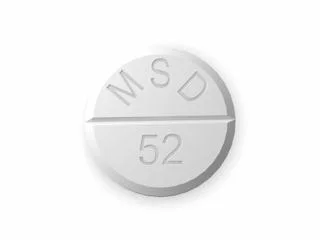
Cyproheptadine is available in tablet form. This dosage method remains the standard for oral delivery, ensuring consistent absorption for the patient. As part of the wider Allergy Relief category, this compound remains a reliable option for managing seasonal and non-seasonal sensitivities.
Safety overview for Cyproheptadine
What to check before using this medicine
Use requires awareness of your individual health status, particularly concerning existing conditions like glaucoma, urinary retention, or respiratory issues. Drowsiness is a common effect, so observation of personal response is necessary before undertaking tasks requiring alertness.
Possible reactions and tolerability
Common responses can include dry mouth, blurred vision, or mild dizziness. These are often related to the medication’s anticholinergic properties. Should discomfort persist or become disruptive, individual needs must be assessed.
Interactions and health factors
Alcohol and other central nervous system depressants may intensify the sedative effects associated with this medication. Using other medicines requires a review of labels to prevent overlapping impacts. Product labelling and verified clinical sources remain the correct references for specific contraindications, interactions and reactions.