
Azelastine
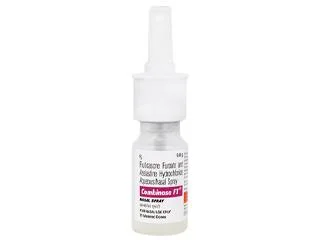
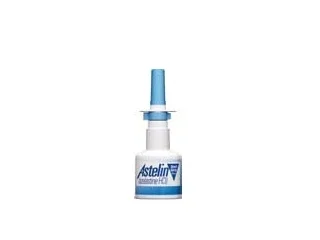
Azelastine is an antihistamine used to manage allergic rhinitis and allergic conjunctivitis. Available as a nasal spray, it targets sneezing, runny nose and itchy eyes triggered by allergens. Rhinolast is a well-known brand, and formulations such as Astelin and Dymista are listed on this page for comparison.
Key points
- Acts mainly at a local level with less widespread drowsiness than older antihistamines, suiting daily symptom control.
- Because nasal and eye symptoms often occur together, some formulations combine azelastine with another active ingredient for broader relief.
- Blocking histamine at H1 receptors in the eyes and nose reduces the allergic reaction where it starts, easing itching and watering.
What is Azelastine?
Azelastine is a second-generation antihistamine formulated for allergy relief. Unlike older antihistamines, it is designed to act locally with less widespread drowsiness, making it a practical choice for daily symptom control.
Several formulations exist because allergic rhinitis and allergic conjunctivitis can present differently from person to person. Some products combine azelastine with other active ingredients, while others focus on a single compound for straightforward symptom management.
What Azelastine is used for
Azelastine is used for allergic rhinitis and allergic conjunctivitis. In allergic rhinitis, it addresses sneezing, nasal itching and a runny nose caused by triggers such as dust mites, pollen or pet dander. In allergic conjunctivitis, it targets itchy, watery eyes during allergy season or year-round exposure.
These two uses often overlap, since many people experience both nasal and ocular symptoms at the same time. The ready-made links below point to condition pages where you can read more about each presentation.
Allergic Rhinitis Allergic Conjunctivitis
How does Azelastine work?
Azelastine blocks histamine H1 receptors in the nasal passages and eyes. Histamine is the chemical your body releases when it encounters an allergen, and it is responsible for the sneezing, itching and watering you feel during an allergic reaction.
By blocking these receptors, azelastine reduces the allergic response at the source. This means fewer symptoms and more comfort during exposure to common allergens in your environment.
Azelastine brands and forms
Azelastine is available as a nasal spray, solution and nasal spray, suspension. Rhinolast is a recognised brand, and other listed options include Astelin and Dymista. The choice between a single-ingredient spray and a combination product depends on your specific symptoms and what your doctor recommends.
Nasal sprays deliver the medication directly to the affected tissue, which can lead to faster local relief. Solution forms may be preferred in certain clinical situations, though nasal sprays are the most common delivery method for this compound.
Further reading
Related articles

23 Sept 2026 ⋅ 7 min read
Allergy Relief in Hong Kong: Antihistamines, Nasal Sprays & Dust-Mite Rhinitis
Why allergies are year-round in Hong Kong, the role of house dust mites and pollution, and what actually helps: antihistamines, nasal sprays and finding stronger options by active ingredient.
Read guide