
Allergic Conjunctivitis
Allergic conjunctivitis is an inflammation of the conjunctiva, the thin membrane covering the white of the eye, triggered by an immune reaction to airborne allergens. It is one of the most common eye complaints, especially where high humidity, year-round pollen seasons, and dense urban environments keep dust mite and mould counts elevated.
Key points
- Grass and tree pollen, mould spores, dust mites and pet dander are the everyday triggers behind the immune reaction in the eye.
- Intense itching, watery discharge, redness and mild eyelid swelling typically affect both eyes at once, often alongside hay fever or asthma.
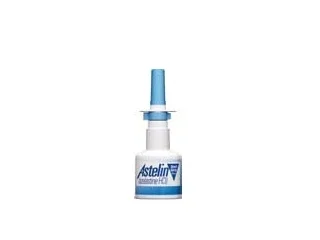
- Antihistamine eye drops such as azelastine act at the eye’s surface within minutes, and oral antihistamines help when nasal symptoms occur too.
What sets it off and what it feels like
The most frequent triggers are dust mites, grass and tree pollen, pet dander, and mould spores. Both eyes are usually affected at the same time. Typical symptoms include intense itching, a gritty or burning sensation, watery discharge, redness, and mild swelling of the eyelids. Symptoms often flare alongside other allergic conditions such as hay fever or asthma.
Relieving the itch
Avoiding known triggers is the first step. Cold compresses can soothe irritated eyes quickly. For persistent symptoms, antihistamine eye drops, such as those containing azelastine, work directly at the eye surface to block the allergic response within minutes. Oral antihistamines from the broader allergy relief range can help when nasal symptoms occur at the same time.
See a doctor if vision becomes blurred, light sensitivity develops, or symptoms do not improve after a few days of treatment, as these can signal a more serious eye condition.