
Ocular Hypertension
Ocular hypertension means the pressure inside the eye, measured as intraocular pressure (IOP), is consistently above the normal range of roughly 10 to 21 mmHg. The condition itself causes no pain and no visible changes to sight, yet elevated IOP is the most significant modifiable risk factor for glaucoma, a leading cause of irreversible blindness worldwide.
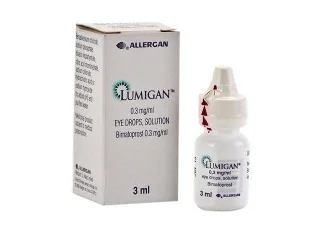
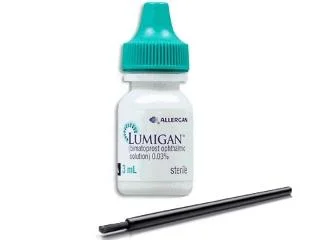
Lumigan + Applicators
3ml
Lumigan with applicators pairs the 3ml bimatoprost eye drops with applicators for glaucoma and ocular hypertension. Pressure falls as outflow rises.
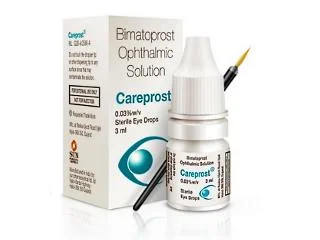
Careprost + Applicators
3ml
Careprost with applicators supplies bimatoprost 3ml eye drops and the applicators, for glaucoma and ocular hypertension. It drains fluid from the eye.
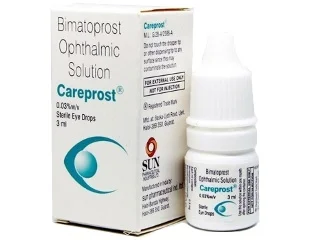
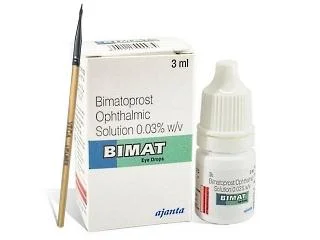
Bimat + Applicators
3ml
Bimat with applicators is bimatoprost eye drops in a 3ml bottle for glaucoma and ocular hypertension. A prostaglandin analogue that raises fluid outflow.
Key points
- Pressure builds when the eye’s own fluid, aqueous humour, drains too slowly through the meshwork that normally clears it.
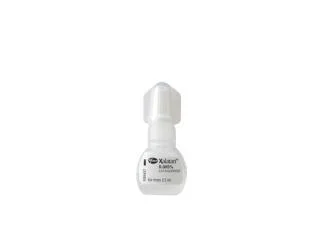
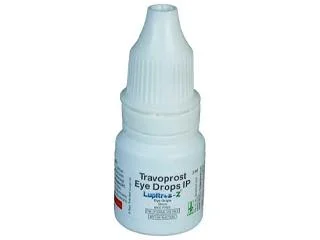
- Latanoprost, travoprost or bimatoprost, taken once daily to boost fluid drainage, are typically the first medicines tried.
- Because there are no symptoms, only regular eye pressure checks by tonometry catch it and track how well treatment is working.
Why pressure builds up
The eye continuously produces a clear fluid called aqueous humour. When the drainage channels (the trabecular meshwork) cannot clear this fluid fast enough, pressure rises. Ageing, family history, thicker-than-average corneas, and ethnicity all influence this balance. Certain populations have a relatively higher prevalence of specific glaucoma subtypes, making routine IOP screening particularly worthwhile for those at increased risk.
Lowering IOP with eye drops
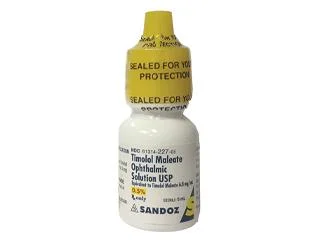
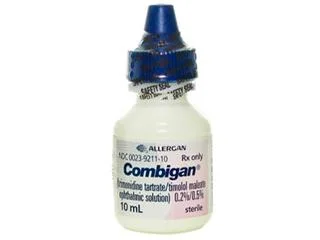
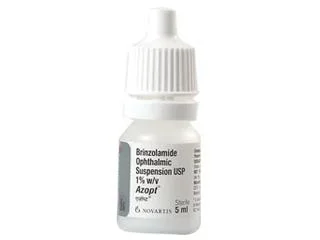
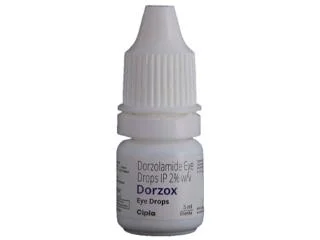
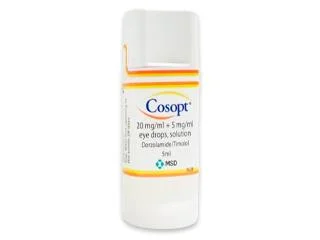
Treatment aims to bring IOP to a level unlikely to cause optic nerve damage. Most people start with a once-daily prostaglandin analogue such as latanoprost or travoprost, or a prostamide such as bimatoprost; these increase fluid drainage and are among the most effective single-agent options. When additional pressure reduction is needed, a beta-blocker like timolol, a carbonic anhydrase inhibitor such as dorzolamide, or an alpha-2 agonist like brimonidine may be added. The full range of eye care medicines used for IOP management is listed in the catalogue above.
Monitoring and when to act
Because ocular hypertension produces no symptoms, the only way to detect it and track treatment response is regular eye examination with tonometry. Anyone whose IOP is above 24 mmHg, who has a close relative with glaucoma, or who notices any gradual narrowing of peripheral vision should seek an eye assessment without delay. Early intervention consistently reduces the long-term risk of sight loss.
Further reading
Related articles

4 Aug 2026 ⋅ 8 min read
Glaucoma Drops: The Diagnosis You Cannot Feel
Glaucoma gives you nothing to go on. No pain, no blurring, and no sign at all that you stopped treating it. Why the sight it takes does not come back, what each family of drops is doing, and the visible side effects that quietly end treatment.
Read guide