
Bimatoprost
Bimatoprost is a prostaglandin analogue used primarily to lower elevated pressure inside the eye. Glaucoma and ocular hypertension are the two most common reasons this medicine is prescribed, and both branded and unbranded products are listed.
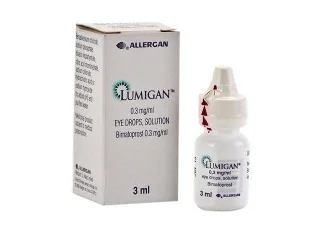
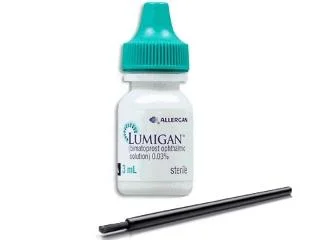
Lumigan + Applicators
Glaucoma, Ocular Hypertension
3ml
Lumigan with applicators pairs the 3ml bimatoprost eye drops with applicators for glaucoma and ocular hypertension. Pressure falls as outflow rises.
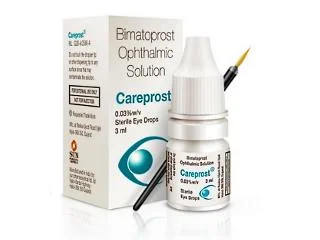
Careprost + Applicators
Glaucoma, Ocular Hypertension
3ml
Careprost with applicators supplies bimatoprost 3ml eye drops and the applicators, for glaucoma and ocular hypertension. It drains fluid from the eye.
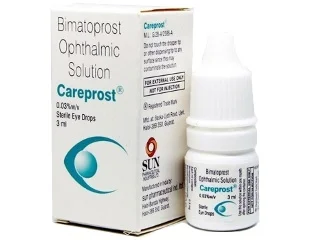
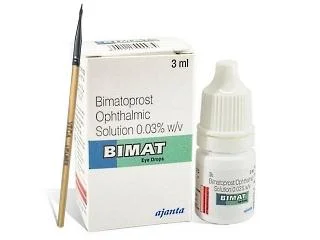
Bimat + Applicators
Glaucoma, Ocular Hypertension
3ml
Bimat with applicators is bimatoprost eye drops in a 3ml bottle for glaucoma and ocular hypertension. A prostaglandin analogue that raises fluid outflow.
Key points
- It opens an alternative drainage route in the eye, called the uveoscleral pathway, rather than acting on the eye’s usual drainage channel.
- It may also be prescribed for normal-tension glaucoma, where optic nerve damage occurs even though eye pressure readings appear normal.
- One dose each evening is generally enough, since its pressure-lowering effect continues through the next day.
What is Bimatoprost?
Bimatoprost belongs to a class of medicines called prostaglandin analogues. It works by improving the outflow of fluid from inside your eye, which lowers the pressure that can otherwise damage your optic nerve over time. Originator and generic versions exist because the active compound is now widely manufactured, so you may encounter several brand names and formats while searching.
The formulation you see most often is a sterile eye drop solution, although some packs include applicators designed to make dosing easier. The choice between brands typically comes down to cost, packaging preference and whether your clinician has specified a particular product for you.
What Bimatoprost is used for
Bimatoprost is prescribed for two closely related eye conditions. The first is open-angle glaucoma, the most common type, where fluid drains too slowly and pressure builds up in the front of the eye. The second is ocular hypertension, where eye pressure is higher than normal but detectable nerve damage has not yet appeared. In both cases, lowering pressure reduces the risk of progressive vision loss.
Clinicians may also prescribe bimatoprost for normal-tension glaucoma, where the optic nerve is damaged even though pressure readings sit within the usual range. The aim in every scenario is the same: bring pressure down to a target level that your eye specialist considers safe for your optic nerve.
How Does Bimatoprost Work?
A thin fluid called aqueous humour constantly flows through the front of your eye, delivering nutrients and removing waste. In glaucoma and ocular hypertension, this fluid does not drain well enough and pressure rises. Bimatoprost acts on the uveoscleral pathway, an alternative drainage route that bypasses the eye’s natural but often inefficient drain called the trabecular meshwork.
Think of it as opening an extra exit for the fluid so pressure can ease without your eye having to produce less liquid. A single drop each evening is usually enough because the effect lasts through the whole day. Most people notice an eye-pressure drop within a few hours of the first application, though the full stabilisation can take several weeks.
Bimatoprost Brands and Forms
All listed bimatoprost products come as eye drops, typically supplied as a sterile solution in a small bottle. From a clinical standpoint, the active ingredient is the same across originator and generic versions, so efficacy depends largely on how consistently you use the drops rather than on which brand you choose. Eye Care products like these require careful storage and clean hands to avoid contaminating the bottle tip.
Lumigan is the original branded version, alongside generic options such as Careprost and Bimat. Some packages include applicators, which you may find helpful if you find it difficult to tilt your head back or steady your hand. The main practical differences between products are price, bottle design, and whether an applicator is included, not the medicine itself.
Safety Overview for Bimatoprost
What to Check Before Using This Medicine
Before starting bimatoprost, let your eye specialist know if you have ever had inflammation inside your eye, a detached retina, or any planned eye surgery. Tell them about any current contact lens wear, because most bimatoprost drops contain a preservative that can be absorbed by soft lenses. Remove lenses before applying the drop and wait at least 15 minutes before reinserting them.
Inform your doctor if you are pregnant, breastfeeding, or trying to conceive, as the effects on an unborn baby or nursing infant have not been fully established. Although bimatoprost is applied to the eye, a small amount does enter your bloodstream, so systemic conditions such as asthma, liver disease or kidney disease should also be discussed.
Possible Reactions and Tolerability
The most frequently reported change is a gradual darkening of the iris, usually noticed over several months of use. This pigment shift is permanent and more visible in people with lighter irises. You may also notice your eyelashes becoming longer, thicker or darker, a side effect that has led to cosmetic uses of this concentration outside ophthalmology.
Some stinging, redness or a foreign-body sensation is common right after applying the drop and normally settles within minutes. Blurred vision for a short time after dosing is also typical. Less commonly, the skin around the eye may darken or the eye itself may feel dry, and any persistent discomfort should be reported to your clinician.
Interactions and Health Factors
If you use more than one type of eye drop, leave at least five minutes between each to prevent one washing out the other. Bimatoprost does not usually interact with oral medicines because very little reaches your circulation, but combining it with other prostaglandin eye drops offers no benefit and may increase side effects.
Product labelling and verified clinical sources remain the correct references for specific contraindications, interactions and reactions.
Further reading
Related articles
4 Aug 2026 ⋅ 8 min read
Glaucoma Drops: The Diagnosis You Cannot Feel
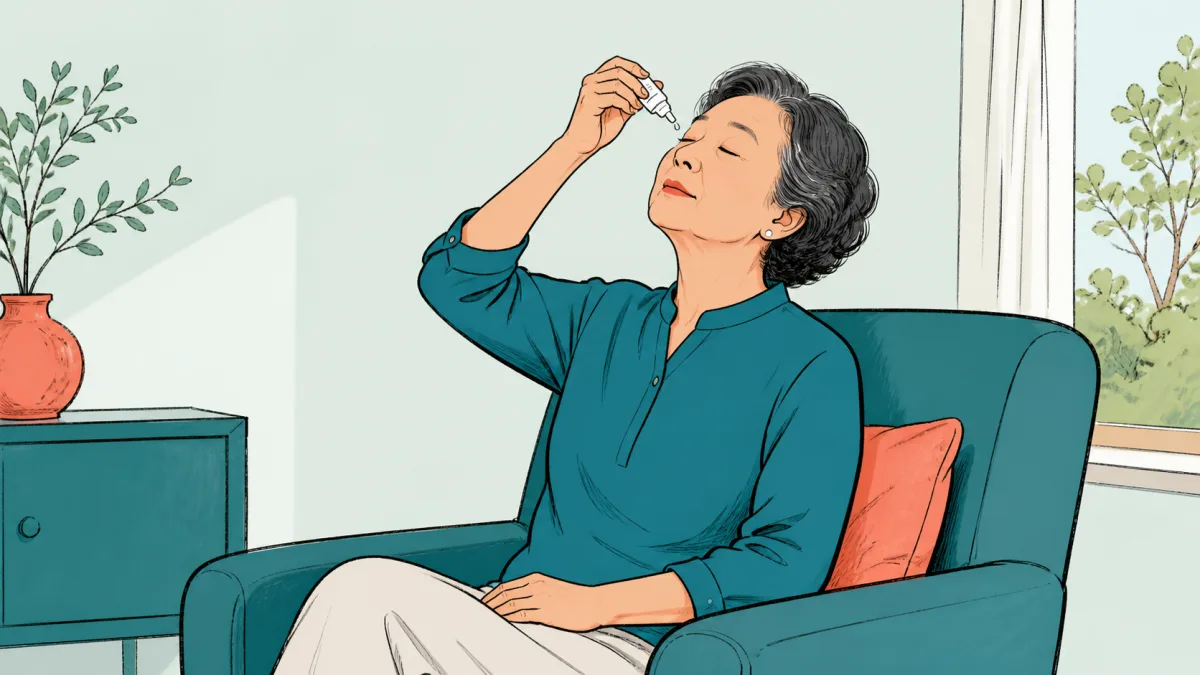
Glaucoma gives you nothing to go on. No pain, no blurring, and no sign at all that you stopped treating it. Why the sight it takes does not come back, what each family of drops is doing, and the visible side effects that quietly end treatment.
Read guide