
Glaucoma
Glaucoma is a group of eye conditions that damage the optic nerve, usually when fluid pressure inside the eye builds too high. The most common form, open-angle glaucoma, comes on so gradually that many people lose side vision before they notice anything wrong. Sight already lost cannot be recovered, so the aim of every treatment is to lower eye pressure and protect what remains.
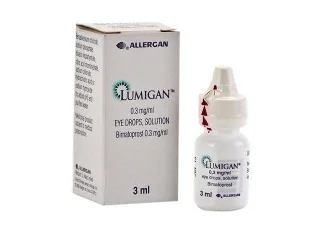
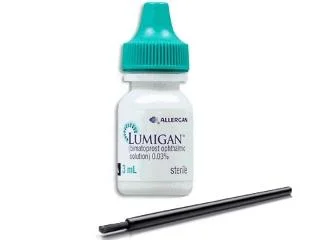
Lumigan + Applicators
3ml
Lumigan with applicators pairs the 3ml bimatoprost eye drops with applicators for glaucoma and ocular hypertension. Pressure falls as outflow rises.
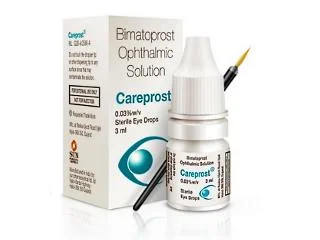
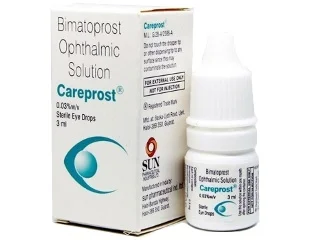
Careprost + Applicators
3ml
Careprost with applicators supplies bimatoprost 3ml eye drops and the applicators, for glaucoma and ocular hypertension. It drains fluid from the eye.
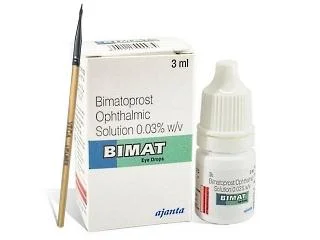
Bimat + Applicators
3ml
Bimat with applicators is bimatoprost eye drops in a 3ml bottle for glaucoma and ocular hypertension. A prostaglandin analogue that raises fluid outflow.
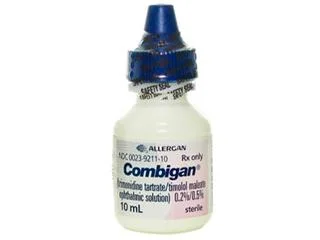
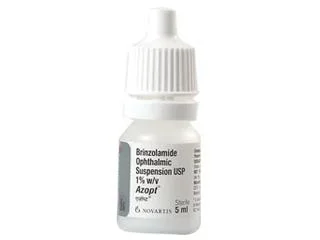
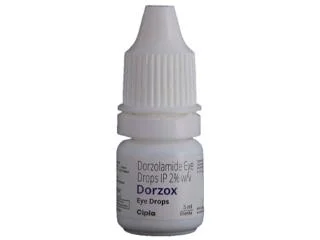
Key points
- Vision loss creeps in from the outer edges first, often unnoticed until a significant portion has already gone.
- The sudden-onset form causes eye pain, redness and visual haloes, and counts as a medical emergency needing immediate treatment.
- Different eye-drop classes act by helping fluid exit the eye or by cutting down how much fluid gets produced.
Spotting glaucoma before it takes your sight
Open-angle glaucoma is often silent until it is advanced. Vision fades from the edges inward, and because the brain fills the gaps you may not register the missing patches. This is why regular eye checks matter, particularly after 40, if you are very short-sighted, or if a close relative has glaucoma. Angle-closure glaucoma can strike suddenly with a red, painful eye, blurred vision, haloes around lights, headache, and nausea. That sudden form is an emergency and needs same-day care to save the eye.
How glaucoma is treated
Treatment lowers the pressure inside the eye, and drops are usually the first step. Prostaglandin analogues such as latanoprost, bimatoprost, and travoprost help fluid drain away and are often used once daily. Beta-blocker drops like timolol reduce how much fluid the eye makes, and brimonidine works on both production and drainage. For sharper short-term control, acetazolamide is taken as a tablet. You can see the full range on our eye care page. Because some of these drops can affect heart rate and blood pressure, tell your doctor about any heart or blood pressure conditions before starting. Using drops exactly as directed, every day, is what keeps pressure steady and sight protected over the long term.
Further reading
Related articles
4 Aug 2026 ⋅ 8 min read
Glaucoma Drops: The Diagnosis You Cannot Feel
Glaucoma gives you nothing to go on. No pain, no blurring, and no sign at all that you stopped treating it. Why the sight it takes does not come back, what each family of drops is doing, and the visible side effects that quietly end treatment.
Read guide