
Brimonidine
Brimonidine is an alpha-2 adrenergic agonist formulated as eye drops to lower elevated intraocular pressure. It targets the fluid inside the eye rather than systemic blood pressure. The listing below covers the forms and strengths available.
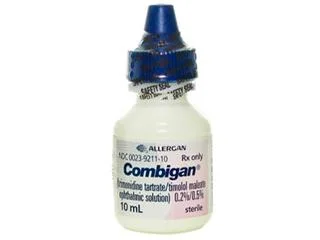
Key points
- It lowers eye pressure through two actions at once, cutting fluid production while also opening a secondary drainage route.
- Some formulations combine it with timolol in a single bottle, giving two pressure-lowering mechanisms without adding a separate drop.
- It can be used by itself or paired with other drops when a single medicine is not enough to reach the target pressure.
What is Brimonidine?
Brimonidine is a pharmaceutical agent classified as an alpha-2 adrenergic agonist. It is formulated specifically for ophthalmic use, meaning it is applied directly to the eye as a solution. Its primary role is to reduce intraocular pressure, the fluid pressure inside the eye, which is a central concern in managing glaucoma and ocular hypertension.
Multiple formulations exist because lowering eye pressure often benefits from combination therapy. Some products pair brimonidine with other pressure-lowering agents such as timolol, allowing two mechanisms in a single bottle. This approach can reduce the number of separate drops a person needs to use each day.
What Brimonidine is used for
Brimonidine is used for two closely related eye conditions involving elevated intraocular pressure. The first is Glaucoma, where sustained high pressure can damage the optic nerve and lead to vision loss over time. The second is Ocular Hypertension, a condition where eye pressure sits above normal but detectable nerve damage has not yet appeared.
In both cases, the goal of treatment is to bring pressure down to a target range set by an eye specialist. Brimonidine may be used on its own or alongside other eye drops, depending on how much pressure reduction is needed.
How does Brimonidine work?
Brimonidine works through two complementary actions inside the eye. First, it decreases the production of aqueous humour, the clear fluid that fills the front chamber of the eye. Second, it increases the drainage of that fluid through a secondary pathway called the uveoscleral outflow route.
Think of it as turning down the tap while also opening a wider drain. By both reducing fluid input and improving fluid exit, the pressure inside the eye drops. This dual mechanism is one reason brimonidine is valued in ophthalmology, particularly when a single agent is not enough to reach the target pressure.
Brimonidine brands and forms
Brimonidine is available as eye drops, solution, which is the standard form for lowering intraocular pressure. This combination suits people who need more than one mechanism to control their eye pressure effectively.
Standalone brimonidine solutions are also widely available across several markets. The Eye Care category covers related products and formulations worth comparing. When choosing between a standalone solution and a combination drop, the decision usually comes down to how much pressure reduction is required and whether multiple separate drops are practical for daily use.
Safety overview for Brimonidine
What to check before using this medicine
Before starting brimonidine, let your eye doctor know about any allergies, particularly to other eye drop ingredients. People with certain cardiovascular conditions or those taking monoamine oxidase inhibitors (MAOIs) should flag this with their provider. Contact lens wearers typically need to remove lenses before applying the drop and wait before reinserting them.
Possible reactions and tolerability
Local reactions are the most commonly reported. These can include redness of the eye or eyelid, a mild burning or stinging sensation on application, and dryness or blurred vision shortly after use. Some people notice a tired or drowsy feeling, as a small amount of the drop can be absorbed into the bloodstream. Allergic reactions, while less common, may present as itching, swelling or a rash around the eye.
Interactions and health factors
Brimonidine may interact with other eye drops if used at the same time, so spacing applications apart is generally advised. Systemic interactions are possible with medications that affect blood pressure or the central nervous system, including sedatives and alcohol. Children are more susceptible to systemic absorption, so use in paediatric populations requires particular caution and medical oversight.
Product labelling and verified clinical sources remain the correct references for specific contraindications, interactions and reactions.
Further reading
Related articles

4 Aug 2026 ⋅ 8 min read
Glaucoma Drops: The Diagnosis You Cannot Feel
Glaucoma gives you nothing to go on. No pain, no blurring, and no sign at all that you stopped treating it. Why the sight it takes does not come back, what each family of drops is doing, and the visible side effects that quietly end treatment.
Read guide