
Angina Pectoris
Angina pectoris is chest pain or tightness that occurs when the heart muscle does not receive enough oxygen-rich blood. It is not a heart attack but a warning that the heart is under strain, typically during physical exertion or emotional stress. The pain usually subsides with rest within a few minutes. Angina is particularly common where rates of hypertension, diabetes, and smoking remain high.
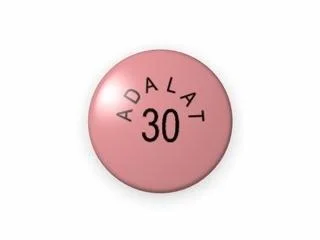
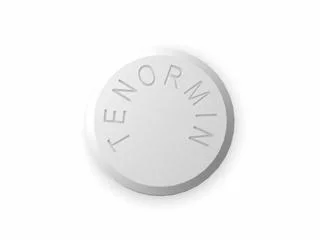
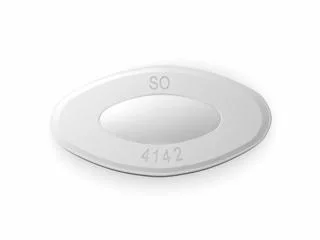
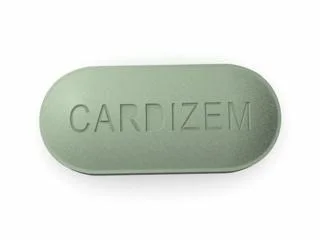

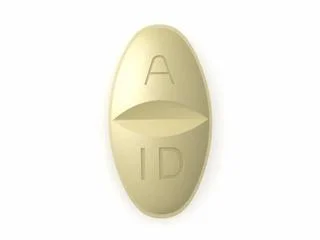
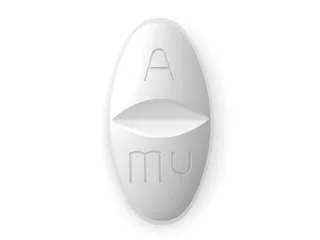
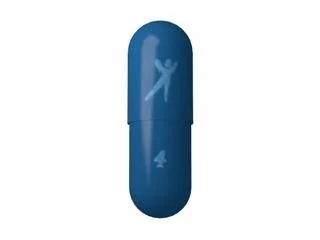
Inderal LA
40mg
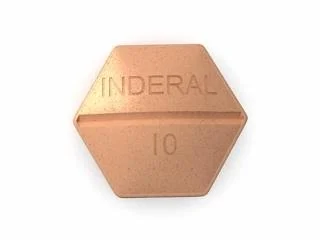
Inderal LA is propranolol 40mg in a modified-release capsule for hypertension, angina, migraine prophylaxis and essential tremor. Both beta-1 and beta-2.
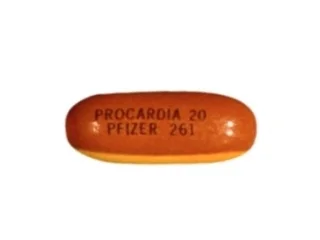
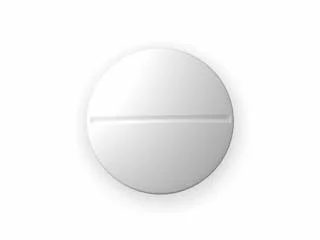

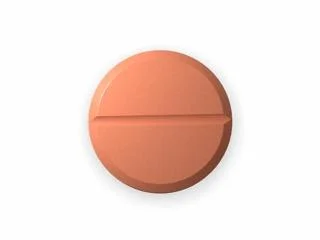
Procoralan
5mg
Ivabradine 5mg film-coated tablets, used in the management of stable angina pectoris. It slows the heart by inhibiting the If current alone.




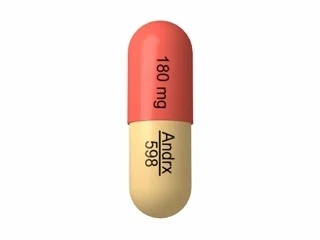

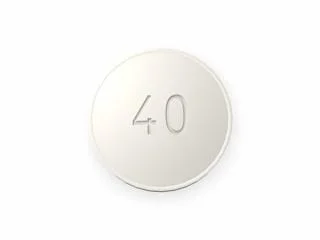
Isoptin SR
120 · 240mg
Isoptin SR is verapamil 120mg and 240mg in a modified-release tablet for hypertension, angina and arrhythmia, blocking calcium influx across the day.

Key points
- The unstable form is more dangerous: pain arrives with little exertion or none at all, and it lasts longer.
- Beta-blockers and calcium channel blockers both ease the heart’s workload, one by slowing the heartbeat and the other by relaxing artery walls.
- Steady, moderate physical activity builds cardiac fitness over time, whereas sudden bursts of exertion can trigger an episode.
- Chest discomfort lasting beyond fifteen minutes, occurring at rest, or paired with sweating and breathlessness may point to a heart attack rather than angina.
What the pain actually feels like
The classic pattern is a squeezing or pressure in the centre of the chest, sometimes radiating to the left arm, jaw, or back. It tends to come on predictably, climbing stairs, hurrying in the heat, or after a heavy meal, and eases with rest. Unstable angina behaves differently: pain arrives at rest or with minimal effort, lasts longer, and is a medical emergency requiring same-day evaluation.
How angina is managed
Most people with stable angina use a combination of lifestyle changes and medicines to reduce the heart’s workload and keep coronary arteries as open as possible.
Beta-blockers such as metoprolol and propranolol slow the heart rate and reduce the force of each beat, cutting the oxygen demand that triggers pain. Calcium channel blockers, including amlodipine, nifedipine, verapamil, and diltiazem, relax the muscular walls of coronary arteries and reduce resistance, improving blood flow. Short-acting nitrates give rapid relief during an attack, while long-acting nitrates and other agents in the heart and blood pressure category help prevent episodes from developing. Full details on each medicine, including dosing and safety notes, are on the individual product pages.
Reducing attack frequency day to day
Avoiding triggers matters as much as medication. Physical activity should be paced rather than avoided, regular moderate exercise strengthens the heart over time but sudden intense bursts can provoke an attack. Stopping smoking, controlling blood pressure and blood sugar, and limiting saturated fat all reduce the underlying coronary narrowing that causes angina.
Seek emergency care immediately if chest pain lasts more than 15 minutes, is more severe than usual, occurs at rest, or is accompanied by sweating, nausea, or breathlessness. These could signal a heart attack rather than stable angina.