
Verapamil
Verapamil (often found as Securon) is a medication used to address high blood pressure and chest pain, while also correcting irregular heart rhythms. Arpamyl, Calan, and Isoptin are among six generic formulations of this calcium channel blocker.




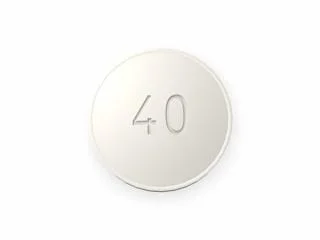
Isoptin SR
Hypertension, Angina Pectoris, Arrhythmia
120 · 240mg
Isoptin SR is verapamil 120mg and 240mg in a modified-release tablet for hypertension, angina and arrhythmia, blocking calcium influx across the day.

Key points
- This calcium channel blocker stops calcium entering heart and vessel muscle cells, relaxing the vessels and easing the heart’s workload.
- It is used for hypertension and chronic angina, and it also slows heart rate to correct certain arrhythmias.
- Brands such as Securon, Arpamyl, Calan and Isoptin come as a film-coated or modified-release tablet.
- Grapefruit juice and other heart medicines such as beta-blockers or blood-thinners can change how the body absorbs or responds to it.
What is Verapamil?
Verapamil belongs to a pharmacological class known as calcium channel blockers. These medications are widely used for the management of cardiovascular conditions by influencing the way heart and blood vessel muscles function. Because it is a versatile treatment, various brands and formulations exist to accommodate different patient requirements and administration preferences.
What Verapamil is used for
Verapamil acts on the cardiovascular system and is primarily used to address Hypertension and chronic stable Angina Pectoris. By regulating cardiac electrical activity, the medication is also effective for managing specific types of Arrhythmia by slowing down heart rate and restoring a normal rhythm. It effectively serves as a core maintenance medication for patients requiring long-term vascular or cardiac support.
How does Verapamil work?
Verapamil functions by preventing calcium from entering the muscle cells of your heart and the walls of your blood vessels. Calcium is a natural trigger for muscle contraction, so limiting its movement allows the blood vessels to relax and widen. This reduction in vascular tension lowers blood pressure and improves blood flow to the heart, which decreases the total workload required by the heart muscle.
Verapamil brands and forms
Medical providers may recommend this ingredient across a variety of delivery methods depending on the patient’s condition. While the active compound remains the same, manufacturers offer different forms such as standard Film-coated tablet and Modified-release tablet formulations. These variations allow for steady, controlled absorption throughout the day. Patients browsing Heart & Blood Pressure can compare these distinct options to see which matches their routine.
Safety overview for Verapamil
What to check before using this medicine
Review your medical history regarding previous reactions to calcium channel blockers. Note any existing liver or kidney conditions, as these affect how your body processes the medication. Monitor your blood pressure and heart rate regularly during the initial stages of treatment to observe how you respond to the specific dosage.
Possible reactions and tolerability
Common responses can include mild dizziness, constipation, or slight headaches as the body adjusts. These reactions are often temporary. Some patients may experience a flushed sensation or fatigue, which typically subsides with continued use. Severe or persistent reactions require clinical attention.
Interactions and health factors
Certain other medications may interact with this ingredient, particularly other heart medications, beta-blockers, or blood-thinners. Avoid consuming grapefruit or grapefruit juice, as this can affect how the substance is absorbed into your bloodstream. Product labelling and verified clinical sources remain the correct references for specific contraindications, interactions and reactions.