
Arrhythmia
Arrhythmia means the heart beats too fast, too slow, or with an irregular pattern. The disruption comes from faults in the electrical system that times each contraction. Most arrhythmias are benign, but some raise the risk of stroke, heart failure, or sudden cardiac arrest and need active management.

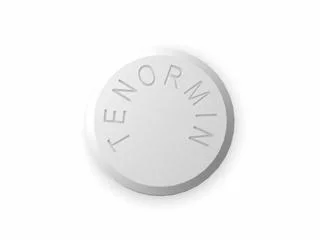


Amiodarone Tablets
100 · 200mg
Amiodarone 100mg and 200mg tablets, used in the management of arrhythmia. A class III antiarrhythmic that lengthens the cardiac action potential.
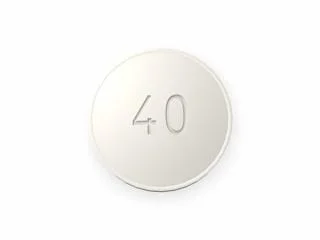
Isoptin SR
120 · 240mg
Isoptin SR is verapamil 120mg and 240mg in a modified-release tablet for hypertension, angina and arrhythmia, blocking calcium influx across the day.

Key points
- Faults in the heart’s electrical timing system can stem from thyroid disorders or an imbalance in blood chemistry.
- Atrial fibrillation is the most common lasting form, and rate-control medicine is typically tried before drugs aimed at restoring rhythm.
- Fluttering combined with chest discomfort, breathlessness or a fainting spell needs prompt review, unlike occasional harmless palpitations.
Why it happens and who it affects
The heart’s electrical pathway can be disturbed by coronary artery disease, high blood pressure, thyroid disorders, electrolyte imbalances, stimulant use, or simply ageing. Atrial fibrillation (AF) is the most common sustained form and is rising sharply as populations age and rates of hypertension climb.
How it is managed
Treatment depends on the type and severity. Rate-control medicines slow a racing heart, while rhythm-control agents aim to restore a regular beat. Beta-blockers such as metoprolol and atenolol are a common first step for rate control in AF and certain other tachyarrhythmias. Calcium channel blockers such as verapamil are used when beta-blockers are not appropriate. For persistent or complex arrhythmias, amiodarone is a potent antiarrhythmic that can restore and maintain sinus rhythm, though it requires careful monitoring over time. All these medicines belong to the broader heart and blood pressure class of treatments.
Warning signs to take seriously
Occasional mild palpitations are common and often harmless. Seek urgent care for palpitations combined with chest pain, breathlessness, fainting, or a sense that the heart is fluttering uncontrollably for more than a few minutes. These could signal a rhythm problem that needs prompt assessment.