
Mesalazine
Mesalazine (available as Asacol and Pentasa) is an anti-inflammatory medication primarily used to manage chronic inflammation in the digestive tract. Local action on the lining of the bowel reduces irritation and symptoms for those with chronic gut conditions. Current listings include 2 distinct formulations designed for varying release patterns and patient needs.
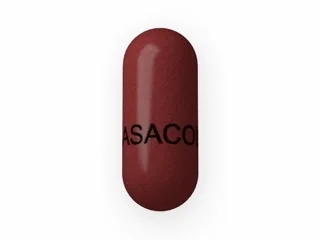

Key points
- Classed as an aminosalicylate, it is used long-term to control ulcerative colitis and calm Crohn’s disease inflammation in the colon.
- Salofalk, Octasa and Mezavant formulations are designed to reach specific segments of the bowel for targeted action.
- The medicine reduces inflammation by limiting prostaglandin production directly at the gut lining, with tablet coatings designed to release it exactly where needed.
- People sensitive to salicylates should avoid this medication, and kidney function is often monitored during extended courses of treatment.
What is Mesalazine?
Classified as an aminosalicylate, Mesalazine acts as a targeted anti-inflammatory agent. Effective management of gastrointestinal conditions relies on direct contact with the inflamed tissue. Brands such as Salofalk, Octasa and Mezavant provide different delivery mechanisms to reach specific sections of the digestive system. Selecting the appropriate formulation depends on the location and intensity of the inflammation.
What Mesalazine is used for
Conditions requiring long-term anti-inflammatory support in the gut often feature this compound as a regular cornerstone of management. Primary applications centre on the regular control of Ulcerative Colitis to maintain periods of non-activity. Patients with Crohn’s Disease may also find it useful for controlling inflammation in the affected areas of the colon.
How does Mesalazine work?
Direct anti-inflammatory effects occur when the compound arrives at the gut lining. Inhibiting the production of prostaglandins, which are substances that trigger inflammation in the body, allows the digestive tract to recover. Precision release tablets ensure that the active compound is delivered exactly where it is needed within the intestine.
Mesalazine brands and forms
Originator and generic brands like Asacol and Pentasa offer distinct formulations tailored to reach either the small or large intestine. Gastro-resistant tablet and Prolonged-release tablet forms are standard, allowing physicians to target the site of the inflammation more effectively. Proper selection remains central to Digestive Health and the long-term management of bowel symptoms.
Safety overview for Mesalazine
What to check before using this medicine
Review your full medical history with a physician, particularly if you have known kidney, heart or liver issues. Sensitivity to salicylates indicates you should avoid this medication class entirely. Verify that your chosen brand formulation matches the required site of action in your digestive tract.
Possible reactions and tolerability
Headache, nausea and abdominal discomfort remain the most frequent reports associated with this therapy. Adverse reactions are infrequent but can happen, especially when starting a new dosage pattern. If you experience unexpected rashes, chest pain or significant changes in bowel patterns, seek guidance immediately.
Interactions and health factors
Other anti-inflammatory medications, such as NSAIDs, can interfere with kidney function when used alongside this treatment. Inform your medical provider of all medications, herbs and supplements you currently use to avoid potential cross-reactivity. Renal monitoring is often standard practice during long-term therapy to ensure the kidneys remain unaffected.
Product labelling and verified clinical sources remain the correct references for specific contraindications, interactions and reactions.