
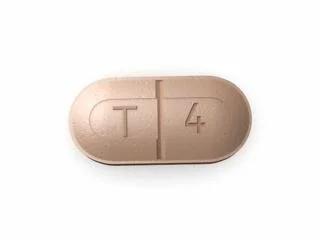
Levothroid
Hypothyroidism
25 · 50mcg
Levothyroxine 25mcg and 50mcg tablets, used in the management of hypothyroidism and thyroid-stimulating hormone suppression. Synthetic T4.
From$0.15/ tabletView
Levothyroxine (Levothroid) is a synthetic form of the primary hormone produced by the thyroid gland. It is commonly used for patients requiring hormone replacement or hormone suppression therapy.
Hypothyroidism
25 · 50mcg
Levothyroxine 25mcg and 50mcg tablets, used in the management of hypothyroidism and thyroid-stimulating hormone suppression. Synthetic T4.
Levothyroxine is a synthetic version of thyroxine (T4), a hormone manufactured by the thyroid gland. When the thyroid gland does not produce enough of this substance on its own, the body cannot effectively regulate its metabolic processes.
By supplementing the body with this synthetic alternative, the hormone levels can be brought back into a normal range. It is a standard treatment for long-term management, consistent in its composition and designed to be compatible with natural physiological processes.
The primary application for this medication is in the treatment of Hypothyroidism, a condition where the thyroid gland is underactive. By providing the missing T4, the body can restore its energy levels and metabolic function.
It is also commonly applied for Thyroid-stimulating Hormone Suppression in patients who require specific regulation of TSH levels to prevent thyroid growth or manage existing nodules. The clinical focus is on achieving stability in hormone levels rather than addressing acute symptoms alone.
Levothyroxine acts as a substitute for the hormone naturally secreted by your thyroid. Once absorbed, the liver and kidneys convert it into triiodothyronine (T3), which is the active form of the hormone.
This process facilitates the regulation of various body functions, including heart rate, body temperature, bone metabolism, and the breakdown of nutrients. By maintaining steady levels of T4, it ensures that your body maintains a consistent rate of metabolism throughout the day.
Managing your Thyroid Health often involves finding a stable, long-term formulation. While brands like Levothroid, Eltroxin, Levothyrox, and Thyronorm are established names in the industry, they all rely on the same active compound. Choosing between them usually depends on individual preference for a particular manufacturer or ensuring consistent supply.
The most common form is the oral Tablet, which is designed for steady absorption. Because thyroid treatment requires precision, it is important to choose a form that you can take consistently as part of your daily routine.
Ensure that your current thyroid hormone levels are confirmed through diagnostic testing before starting treatment. Inform your doctor if you have cardiovascular conditions, adrenal insufficiency, or existing diabetes, as thyroid hormones can impact how these conditions are managed.
Common reactions are often related to dosage levels being too high, which may result in symptoms such as a rapid heart rate, nervousness, or heat sensitivity. If you experience these symptoms, it is an indicator that your hormone levels require adjustment.
Levothyroxine can interact with anticoagulants, certain antacids, and iron supplements, which may reduce its absorption or alter its effectiveness. Always review whether your current health factors or other medications might influence how your body processes synthetic thyroid hormones. Product labelling and verified clinical sources remain the correct references for specific contraindications, interactions and reactions.

23 Sept 2026 ⋅ 9 min read
Store below 30°C is a line written for a European cupboard, read in a kitchen that has not been below 30°C since March. What actually degrades, why the bathroom cabinet is the worst habit in the tropics, and what forty minutes on a motorbike does to a delivery.
Read guide
22 Sept 2026 ⋅ 8 min read
Levothyroxine has more rules about what else is in your stomach than almost anything in the cabinet, and every article explains them with coffee and cereal. Here the breakfast is different, the fortified soy milk is different, and the iron supplement is very common.
Read guide