
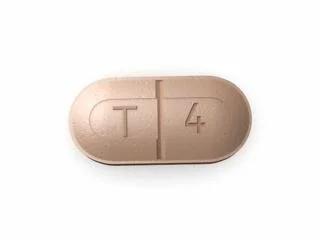
Levothroid
25 · 50mcg
Levothyroxine 25mcg and 50mcg tablets, used in the management of hypothyroidism and thyroid-stimulating hormone suppression. Synthetic T4.
From$0.15/ tabletView
Thyroid-stimulating hormone (TSH) suppression is a deliberate therapeutic strategy rather than a condition in itself. After surgery or radioiodine treatment for differentiated thyroid cancer, doctors often aim to hold TSH below the normal range so that any remaining thyroid tissue, including microscopic cancer cells, receives minimal growth stimulus. The degree of suppression varies: high-risk cases may target TSH near zero, while lower-risk patients are kept at the low-normal end to reduce long-term side effects.
25 · 50mcg
Levothyroxine 25mcg and 50mcg tablets, used in the management of hypothyroidism and thyroid-stimulating hormone suppression. Synthetic T4.
Levothyroxine is the standard agent used in thyroid-stimulating hormone suppression. Taken daily at a dose higher than simple hormone replacement, it raises circulating T4 and T3 levels, which signal the pituitary gland to produce less TSH. The dose is fine-tuned through periodic blood tests measuring both free T4 and TSH. Because suppressive doses sit above normal replacement levels, monitoring for signs of excess thyroid hormone, such as a fast or irregular heartbeat, reduced bone density, or persistent anxiety, is an important part of ongoing thyroid health management. Patients whose thyroid cancer was detected through routine ultrasound screening are particularly likely to encounter this therapy.