
Hypothyroidism
Hypothyroidism means the thyroid gland is not making enough thyroid hormone. That hormone sets the pace of much of the body, so when levels run low things slow down. Common signs include tiredness, feeling cold, weight gain, dry skin, constipation, low mood and slower thinking. They build gradually, which is why many people put them down to stress or ageing before a blood test points to the thyroid. It is more common in women and tends to appear in middle age, though it can start at any time.
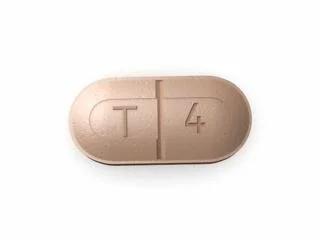
Levothroid
25 · 50mcg
Levothyroxine 25mcg and 50mcg tablets, used in the management of hypothyroidism and thyroid-stimulating hormone suppression. Synthetic T4.
Key points
- Those who still feel unwell on the standard replacement alone sometimes add a second, quicker-acting thyroid hormone.
- Dosing is individualised from blood test results and reviewed periodically to keep hormone levels steady.
- Consistency matters for dosing, taking it at a similar time daily and typically before food, to keep hormone levels stable.
How hypothyroidism is treated
Treatment replaces the hormone the thyroid is no longer making. The standard option is levothyroxine, a synthetic form of the main thyroid hormone, taken once a day. Some people who do not feel fully well on it alone also use liothyronine, a faster-acting hormone. Doses are matched to your blood results and reviewed over time, so taking the tablet at the same time each day, usually on an empty stomach, helps keep levels steady. You can see the full range on our thyroid health page. Iodine intake matters too, and some inland areas still see iodine-related thyroid problems, so a balanced diet supports treatment rather than replacing it.
Further reading
Related articles

22 Sept 2026 ⋅ 8 min read
Thyroid Medicine and the Regional Breakfast
Levothyroxine has more rules about what else is in your stomach than almost anything in the cabinet, and every article explains them with coffee and cereal. Here the breakfast is different, the fortified soy milk is different, and the iron supplement is very common.
Read guide