
Hypercholesterolaemia
Hypercholesterolaemia means the level of LDL cholesterol in the blood is persistently high enough to raise the risk of coronary artery disease, heart attack, and stroke. It is one of the most common cardiovascular risk factors, and rapid dietary shifts towards processed and high-fat foods have driven rates sharply upward in recent decades.




Key points
- Because raised LDL rarely produces symptoms, it typically comes to light only when blood is tested for something else, such as a routine check.
- A statin added to ezetimibe lowers LDL further than either medicine used alone, since the two act via different mechanisms.
- One inherited form drives very high LDL starting from childhood, carrying a substantially greater lifetime risk without treatment.
Why cholesterol becomes a problem
Cholesterol itself is essential, but excess LDL particles deposit in artery walls, gradually narrowing them. Most people have no symptoms until a serious event occurs, so the condition is frequently discovered only during a routine blood test. A fasting lipid panel measures total cholesterol, LDL, HDL, and triglycerides and remains the standard way to confirm the diagnosis.
Genetics, diet, physical inactivity, obesity, and type 2 diabetes all contribute. Familial hypercholesterolaemia, an inherited form, produces very high LDL from early life and carries a substantially elevated lifetime risk if not treated.
Medicines used to lower LDL
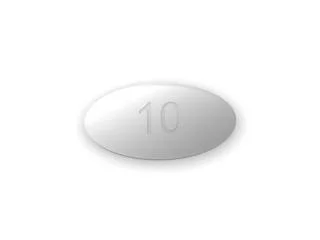
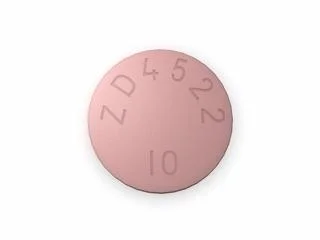
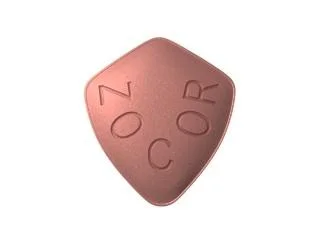
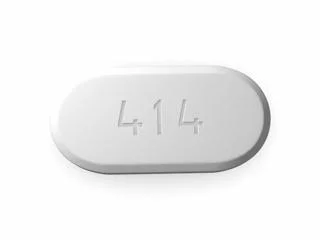
Statins are the backbone of cholesterol management. They block an enzyme the liver uses to make cholesterol, reducing LDL by 30—55% depending on the agent and dose. Atorvastatin and rosuvastatin are high-potency statins used when larger reductions are needed, while simvastatin and pitavastatin suit moderate-risk profiles.
When statins alone are insufficient, ezetimibe can be added; it blocks cholesterol absorption in the gut rather than synthesis in the liver, and the two mechanisms together lower LDL more than either alone. Colestyramine is a bile acid sequestrant sometimes used in people who cannot tolerate statins.
Lifestyle alongside medicines
Diet changes and medicine work best together. Reducing saturated fat, increasing soluble fibre (oats, legumes, vegetables), and replacing refined carbohydrates with whole grains all contribute. Regular aerobic activity raises HDL and modestly lowers LDL. Smoking cessation improves overall cardiovascular risk beyond what medicine alone achieves. These changes do not eliminate the need for medicine in high-risk individuals, but they reduce the dose required and improve outcomes.