
Parkinson's Disease
Parkinson’s disease is a progressive neurological condition in which nerve cells in the brain’s substantia nigra gradually stop producing dopamine, a chemical messenger that coordinates smooth, controlled movement. As dopamine levels fall, movement becomes harder to initiate and regulate.




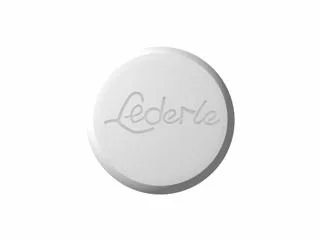
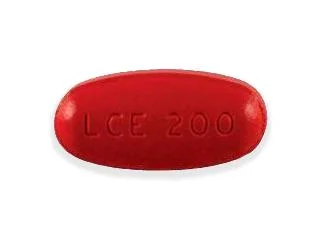
Stalevo
Carbidopa, Levodopa, Entacapone
25/100/200mg
Carbidopa, levodopa and entacapone in one film-coated tablet, used in the management of Parkinson's disease. A precursor with two enzyme blockers.
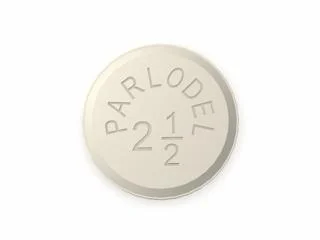
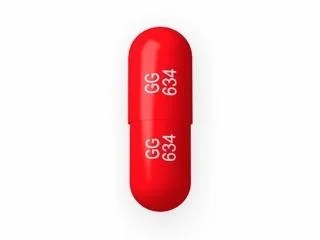

Sinemet CR
25/100mg
Sinemet CR is carbidopa with levodopa 25/100mg in a modified-release tablet for Parkinson's disease, spreading the dose across a longer period.
Key points
- Cells within a specific brain structure gradually lose their ability to make dopamine, the signal that keeps movement smooth and coordinated.
- Shaking at rest, stiff muscles, slower movement and unsteady balance are the defining motor signs, usually beginning on just one side.
- Trouble sleeping, constipation, a dulled sense of smell and shifts in mood can show up long before anyone notices the shaking.
- Levodopa, still the single most effective drug for movement symptoms, is nearly always given together with carbidopa to stop it breaking down too soon.
How Parkinson’s Disease Shows Up
The most recognisable signs are the four cardinal motor features: a resting tremor (often in one hand first), muscle rigidity, slowness of movement (bradykinesia), and postural instability. Symptoms usually begin on one side of the body and spread over years. Non-motor features, sleep disturbances, constipation, reduced sense of smell, and mood changes, often appear before the tremor is noticed and can affect daily life as much as the movement problems do.
Prevalence rises steeply with age. In ageing populations, Parkinson’s is one of the more common neurology diagnoses in adults over 60.
Restoring Dopamine: the Core of Treatment
Because the underlying problem is dopamine deficiency, most treatments aim to raise or mimic dopamine activity in the brain. Levodopa, the amino-acid precursor to dopamine, remains the most effective motor treatment available. It is almost always paired with carbidopa, which prevents levodopa from being broken down in the bloodstream before it reaches the brain, reducing side-effects and allowing lower doses.
Dopamine agonists such as pramipexole and ropinirole activate dopamine receptors directly and are often used in earlier stages or alongside levodopa. Older agonists like bromocriptine and the MAO-B inhibitor selegiline remain in use for specific situations, particularly where a longer symptom-free period before levodopa is preferred or where “wearing off” effects need managing.
Living With Parkinson’s
No current medicine reverses the underlying cell loss, so self-care alongside medication matters considerably. Regular aerobic exercise and physiotherapy have good evidence for slowing functional decline and improving balance. Tai chi, widely practised as a form of gentle exercise, has shown particular benefit for balance and fall prevention in several trials. A balanced diet, consistent sleep, and speech therapy (for those experiencing reduced voice volume) each contribute to maintaining independence over time.
If mood changes, severe anxiety, or feelings of hopelessness develop alongside motor symptoms, these deserve medical attention in their own right, depression is common in Parkinson’s and treatable.