
Myocardial Infarction
A myocardial infarction, a heart attack, happens when a coronary artery becomes blocked, cutting off oxygen to a section of heart muscle. Without blood flow, muscle cells begin to die within minutes. Ischaemic heart disease is the leading cause of death worldwide, and urbanisation and dietary shifts have driven rates sharply upward in recent decades.



Key points
- Blockage of a coronary artery starves part of the heart muscle of oxygen, and cells begin dying within minutes without restored flow.
- Chest pain spreading to the arm or jaw is the classic sign, though it can appear instead as fatigue or indigestion in women or diabetics.
- Recovery treatment typically combines a beta-blocker, an ACE inhibitor, and an antiplatelet agent to protect the heart and prevent a second event.
Recognising the warning signs
Classic symptoms include central chest pain or pressure that may spread to the left arm, jaw, or back, along with shortness of breath, sweating, nausea, and light-headedness. Women and people with diabetes more often present with atypical signs, fatigue, mild discomfort, or indigestion-like feelings, which can delay recognition. Any sudden, unexplained chest pain warrants emergency care immediately; do not wait to see whether it resolves.
Medicines used in recovery
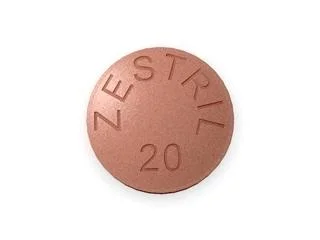
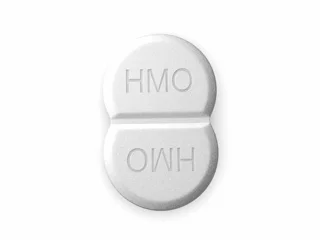
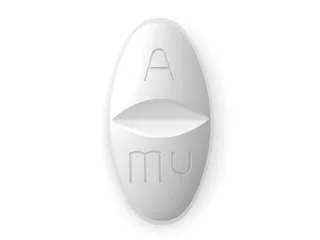
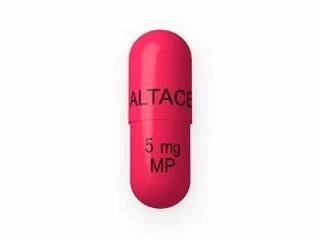
Surviving a myocardial infarction is only the first step. Long-term treatment is directed at protecting the heart, preventing clots, and reducing the load on damaged muscle. A beta-blocker such as metoprolol slows the heart rate and lowers blood pressure, reducing the workload on recovering tissue. An ACE inhibitor like lisinopril helps limit the scarring and structural changes the heart undergoes after injury. Antiplatelet therapy with clopidogrel keeps platelets from aggregating and blocking the repaired vessel again. Where there is also heart failure or fluid retention, eplerenone, a mineralocorticoid receptor blocker, reduces the risk of a second cardiac event. These agents are typically used together and continued for months to years. Browse the full heart and blood pressure range for related medicines.