
Key facts
- Family planning and reproductive healthcare are recognised rights in the Philippines under the Responsible Parenthood and Reproductive Health Act of 2012.
- Access can vary from place to place, and personal, cultural and religious views differ and are entirely your own to hold.
- Which contraceptive method suits you depends on your health, circumstances and preferences, so the choice is best made with a doctor or a family planning service.
- Some period changes are normal; heavy, severely painful, very irregular or sudden changes, and bleeding between periods or after sex, are worth checking with a doctor.
- Menopause symptoms are treatable, and hormone replacement therapy is decided and reviewed with a doctor rather than started on your own.
- Knowing the active ingredient, not just the brand, lets you recognise a medicine and compare your options, including the generic.
- A GP, an obstetrician-gynaecologist, or a government family planning service can all provide supportive care, sometimes at low or no cost.
What rights do I have around family planning here?
Family planning and reproductive healthcare are recognised rights in the Philippines, though access can still vary in practice. The framework is sometimes misunderstood, so it is worth starting there.
The Responsible Parenthood and Reproductive Health Act of 2012 affirmed access to reproductive health services and information as part of public health policy. In practice, availability can still differ from place to place, and personal, cultural and religious views differ and are entirely your own to hold. The aim here is simply to lay out the options factually and without judgement, so that whatever you decide, you can decide it well informed.
Regulatory note
23 September 2026: Section 7 of the cited Responsible Parenthood and Reproductive Health Act names accredited public health facilities and includes family-planning consultations and supplies. Ask your local centre which methods it has available.
What are my contraception and family planning options?
A wide range of methods exists, and which one suits you is a decision to make with a doctor or family planning service, not from a guide. Contraception is a normal, personal health choice.
The World Health Organization describes how family planning lets people choose whether and when to have children, with clear health benefits from preventing unintended pregnancies, and how many different methods are available to suit different needs and stages of life.
Among the medicines, the contraceptive pill is the most familiar. Combined pills use an oestrogen, usually ethinylestradiol, together with a progestogen such as drospirenone or levonorgestrel, while progestogen-only options use a progestogen such as norethindrone on its own. You can see the range in the women’s health category. Which method suits you depends on your health, your circumstances and your preferences, which is exactly the conversation to have with a doctor or a family planning service. They can talk you through the options, including non-pill methods, and help you choose. We do not give doses here for that reason.
When are my periods worth checking with a doctor?
Some variation is completely normal, but heavy, severely painful, very irregular or suddenly changed periods, and any bleeding between periods or after sex, are worth not putting up with in silence. These can have treatable causes.
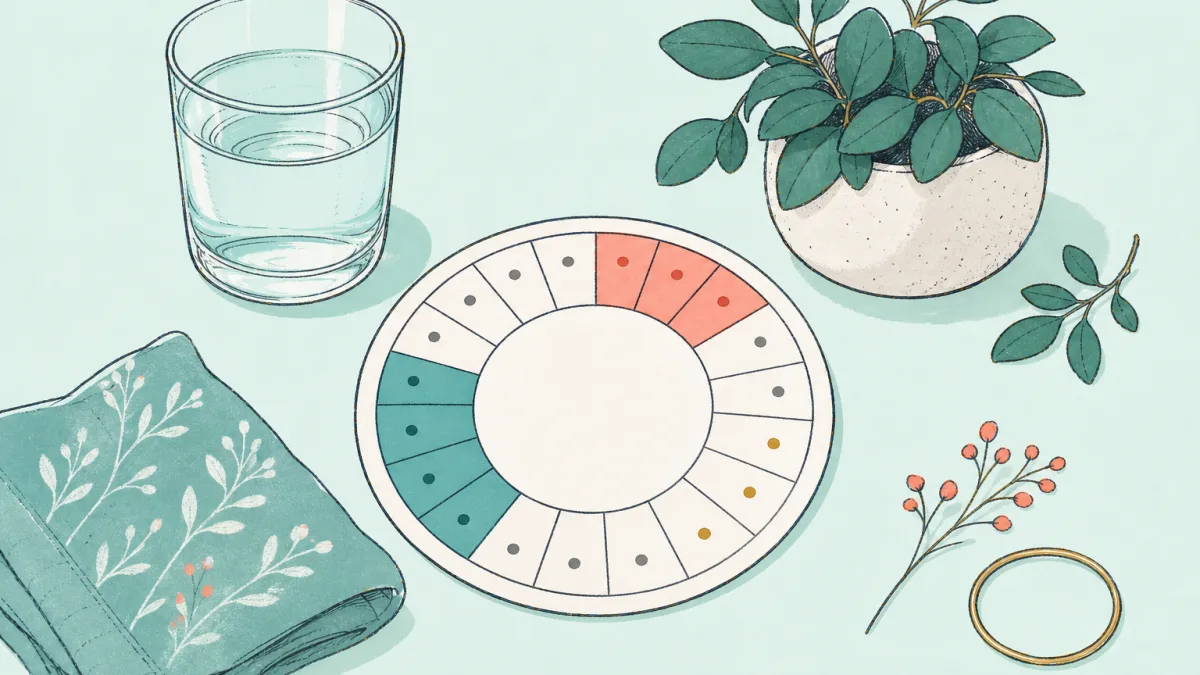
Periods vary a lot between women. A doctor can help find out what is going on rather than leaving you to manage alone, and many causes are treatable once identified. Tracking your cycle, even roughly, makes that conversation easier and can be reassuring in itself.
What are my options for menopause symptoms?
HRT is the most effective treatment for troublesome menopause symptoms when it suits you. Hot flushes, disrupted sleep and mood changes can follow the fall in oestrogen. There is a practical distinction behind the choice of preparation: the HRT and menopause guide explains that someone with a womb generally needs a progestogen alongside oestrogen to protect the uterine lining, while someone who has had a hysterectomy can usually use oestrogen alone. Ingredients include estradiol and progesterone. A doctor should choose and review the treatment with you, not leave you to start it on your own.
Where can I get good care in the Philippines?
A GP or family doctor is a sensible first stop, with obstetrician-gynaecologists and government family planning services available for more specialised or lower-cost care. You do not have to start with the most specialised option.
A GP or family doctor can handle a great deal, refer you on, or start contraception. For pregnancy, gynaecological concerns or more complex needs, an obstetrician-gynaecologist is the specialist. Government health centres and family planning services also provide reproductive healthcare, often at low or no cost. Availability, waiting times and services vary by area, but the common thread is that good, supportive care exists, and the first step is simply asking.
How do I keep a private, steady supply going?
Agree on a medicine with your doctor, then note its active ingredient as well as the brand. That lets you recognise it in a different pack and compare a generic carrying the same molecule.
The active ingredient pages group brands sharing a molecule. You can browse by category or condition. If you order online, check the dispenser, pharmacy licence and prescription handling; the requirements and stock differ by medicine. The Philippines guides to buying medicine, maintenance medicines and medicine delivery cover the practical steps.
ZoneMD option: ZoneMD lets you search by active ingredient and compare the available brand and generic options, with dispensing and delivery handled by licensed pharmacy partners. Our how ordering works page walks through each step.
Do and don’t
Do:
- Talk to a doctor or family planning service before starting, changing or stopping contraception.
- Ask for the active ingredient and strength, not just a brand name, so you can recognise your medicine.
- Track your cycle, even roughly, and mention any heavy, painful, irregular or changed periods to a doctor.
- Treat menopause symptoms that affect daily life as worth raising, and decide any HRT with a doctor.
- Use a GP, an obstetrician-gynaecologist or a government family planning service as suits your need.
Don’t:
- Self-prescribe hormonal contraception or HRT without a clinical assessment.
- Assume one method suits everyone; suitability depends on your own health and circumstances.
- Put up with severe period pain, very heavy bleeding or unusual bleeding in silence.
- Rely only on a foreign brand name a local pharmacy may not stock.
- Take dosing guidance from a general guide; that belongs to the doctor who knows your health.
When should I see a doctor?
Book a visit when you need a contraceptive decision, a period change assessed, or help with menopause symptoms. In particular:
- You want to discuss contraception, or are thinking of starting, changing or stopping a method.
- Your periods are very heavy, painful, irregular, or have changed, or you have unusual bleeding.
- Menopause symptoms are affecting your daily life.
- You have any women’s health concern you have been putting off; these conversations are routine for a doctor.
This guide is general information, not medical advice. Your choices are your own, and a doctor who knows your health is the right person to help you make and act on them.
Useful links
- World Health Organization: family planning and contraception
- Official Gazette (Philippines): the Responsible Parenthood and Reproductive Health Act of 2012