
Levonorgestrel
Levonorgestrel is a synthetic hormone commonly used in both routine birth control pills and emergency preparations. It is a central option within Women’s Health, chosen for its efficacy in preventing pregnancy. This page lists 3 available formulations, including well-known brands like Alesse and Levlen, for your review.

Key points
- Prevents pregnancy by delaying egg release and thickening cervical mucus so sperm struggle to reach an egg.
- Serves two distinct roles: a daily component of routine contraception and a single higher dose for emergency use after unprotected sex.
- Certain anti-seizure medicines and specific antibiotics are known to interact with it, so current medications should be checked.
What is Levonorgestrel?
Levonorgestrel is a progestin, a synthetic form of the natural hormone progesterone. It is widely relied upon for family planning and pregnancy prevention. Because different manufacturers produce various formulations, you may encounter several brand names that share the same active ingredient but differ in their concentration or specific combination within a multi-phasic or monophasic pack.
What Levonorgestrel is used for
This hormone is indicated for Contraception, where it works as part of a daily oral regimen to suppress ovulation and alter cervical mucus. It is also used for Emergency Contraception, often referred to as the morning-after pill, to prevent pregnancy after unprotected intercourse or contraceptive failure.
How does Levonorgestrel work?
Levonorgestrel prevents pregnancy primarily by stopping or delaying the release of an egg from the ovaries. It also thickens the mucus at the cervix, which makes it harder for sperm to travel through the female reproductive tract to reach an egg. Effectively, it creates a physiological state that is unfavourable for fertilisation and implantation.
Levonorgestrel brands and forms
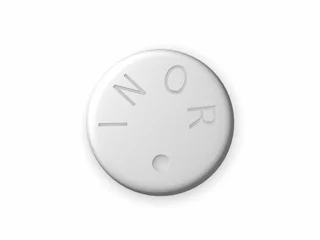
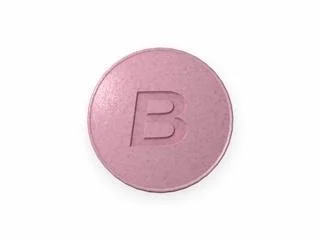
You will find this medication in tablet form, ranging from daily oral contraceptive pills to higher-dose tablets designed for emergency use. Prominent brands like Microgynon 30, Rigevidon, Levest, and Levlen represent established options, alongside Alesse and Levonelle. Many patients compare these brands based on their availability and specific pack structure to find a formulation that aligns with their existing routine.
Safety overview for Levonorgestrel
What to check before using this medicine
Review your medical history, particularly any history of blood clots, liver disease, or undiagnosed vaginal bleeding. Ensure that the specific product formulation you choose is suitable for your long-term or emergency requirements.
Possible reactions and tolerability
Some individuals may experience changes in their menstrual cycle, nausea, or breast tenderness after use. These are common and often temporary adjustments associated with hormone-based treatments.
Interactions and health factors
Certain medications, including some anti-seizure drugs and specific antibiotics, can interact with hormonal preparations. Always cross-reference your current medications with the product information provided. Product labelling and verified clinical sources remain the correct references for specific contraindications, interactions and reactions.
Further reading
Related articles

23 Sept 2026 ⋅ 6 min read
Women's Health in the Philippines: Contraception, Periods & Menopause Options
A respectful, practical guide to women's health in the Philippines: contraception and family planning, menstrual health, and menopause, what your options are, and where to get good care.
Read guide