
Contraception
Hormonal contraception lets women control if and when they become pregnant. Combined oral contraceptives and progestogen-only pills are among the most widely used contraceptive methods, and access to reliable family planning medicines is a routine health priority.
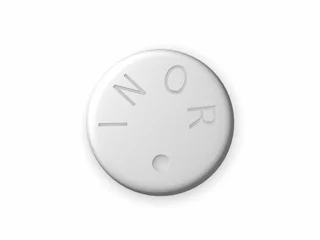

Yasmin
Drospirenone, Ethinylestradiol
3/0.03mg
Drospirenone with ethinylestradiol as a film-coated tablet, a combined oral contraceptive also listed for acne vulgaris. Gonadotropins are suppressed.
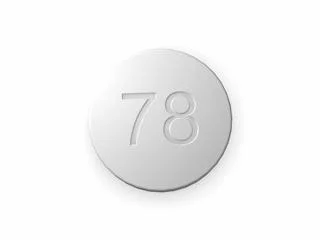
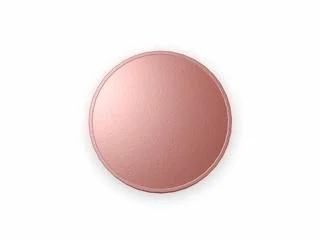
Alesse
Levonorgestrel, Ethinylestradiol
0.15/0.03 · 0.25/0.05mg
Levonorgestrel with ethinylestradiol tablets, a combined oral contraceptive taken by mouth. The hormone pair suppresses ovulation and thickens cervical mucus.
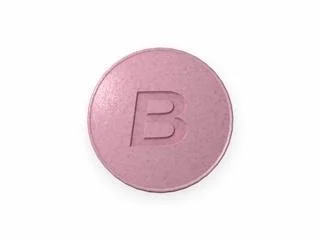
Levlen
Ethinylestradiol, Levonorgestrel
0.03/0.15mg
Ethinylestradiol with levonorgestrel tablets, a combined oral contraceptive. Negative feedback on the hypothalamic-pituitary axis holds ovulation back.
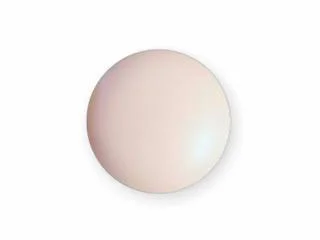

Drospirenone and Ethinyl Estradiol Tablets
Drospirenone, Ethinylestradiol
3/0.03mg
Drospirenone with ethinylestradiol as a film-coated tablet for contraception. Gonadotropin feedback suppresses ovulation and the mucus thickens.
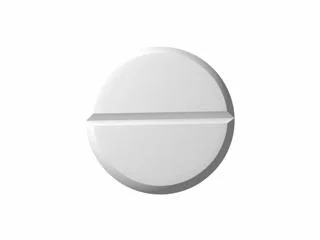
Desogestrel and Ethinyl Estradiol Tablets
0.15/30mg/mcg
Desogestrel with ethinylestradiol tablets for contraception, working through feedback on the hypothalamic-pituitary axis to suppress ovulation.
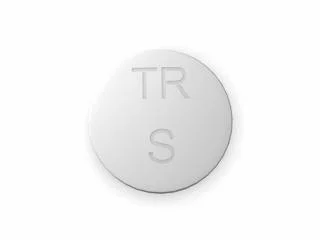
Key points
- An oestrogen and a progestogen work together in the combined pill, blocking ovulation and altering cervical mucus and womb lining.
- The progestogen-only pill relies on a single hormone, suiting those unable to tolerate oestrogen-containing options.
- Newer progestogens such as desogestrel and drospirenone are linked to less breakthrough bleeding for some women than levonorgestrel.
How hormonal pills prevent pregnancy
Combined pills pair an oestrogen, usually ethinylestradiol, with a progestogen such as desogestrel, levonorgestrel, drospirenone, or norgestrel. Together they suppress ovulation, thicken cervical mucus, and thin the uterine lining. Progestogen-only pills (the “mini-pill”) rely on a single hormone, making them suitable for women who cannot take oestrogen.
Choosing the right option
The progestogen used affects tolerability and side-effect profile. Older progestogens like levonorgestrel have a long track record; newer ones such as drospirenone and desogestrel are associated with lower rates of breakthrough bleeding for some women. See the women’s health category for a full list of available tablets. If you experience severe headaches, visual changes, chest pain, or leg swelling while using any hormonal method, seek medical attention promptly.